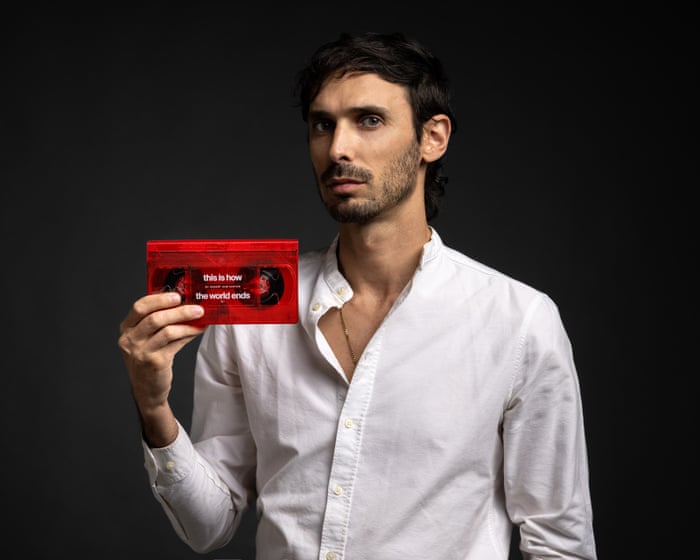
Yeni film This Is How the World Ends sağlam bir yapım. İnsanlığın sonunda düzenlenen bir partide birbirini bulan iki kardeşin hikâyesini anlatıyor—kabaca Burning Man'de geçen On the Beach gibi. Ama asıl dikkat çeken şey, filmin yayınlanma şekli: 20 yıl sonra doğrudan VHS'ye çıkan ilk film olması.
2000'lerin başında, Britanya'daki hanelerin yaklaşık %90'ında VCR bulunuyordu—DVD'ler, Blu-ray'ler ve yayın akışı hizmetleri devralmadan önce formatın son altın günleriydi. 2016'da dünyanın son VCR üreticisi Funai Electric üretimi durdurdu. Yani bir filmi doğrudan videoya çıkarmak, temelde insanların izlemesini olabildiğince zorlaştırmak anlamına geliyor.
Filmin yönetmeni Robert dos Santos'a göre, amaç da bu. "İzlemek için kulübün bir parçası olmanız gerektiği fikrini seviyorum," diyor Cannes'dan bir video görüşmesinde. "Bu, belirli bir zevke sahip insanlar için. Ne yaptığımızı gerçekten anlayan bir grup insan var."
Aslen bir avukat olan Güney Afrikalı film yapımcısı, birkaç ay içinde birkaç kez silah zoruyla tutulduktan sonra sinemaya yöneldi. "Bir gün öleceğimi fark ettim ve eğer öleceksem, gerçekten tutkuyla sevdiğim bir şey yapabilirim."
Bunun ipuçları filmin kendisinde de var. VHS yayını ilk duyduğumda, This Is How the World Ends'in formatın sınırlarıyla oynayan, bilinçli olarak ucuz bir tür filmi olacağını varsaydım. Oysa büyük temaları ele alan, güzel çekilmiş modern bir bağımsız film. Dos Santos'un gerçek hayat deneyimlerini filmin dünyanın sonundaki hedonizmiyle ilişkilendirmek için terapist olmanıza gerek yok. Ama şunu da belirtmek gerek: Bu filmde dünyanın sonunu getiren şey yapay zekâ.
Otomatik yaratıcılık tehdidi, dos Santos'u bu alışılmadık yayın şekline iten şey oldu. "Bu, insanlar tarafından insanlar için yapılmış bir film," diyor. "İnsanların kusurlu bir şey hissetmesini istiyorum, çünkü VHS mükemmel bir araç değil. Ama aynı zamanda fiziksel bir süreç de var. Bir kaset sipariş etmelisiniz ve bazı insanlar için gerçekten gidip bir VCR satın almalısınız.
"İnsanlardan çok şey istiyorum, ama insan olmak demek bu. Bu hayatta var olmak demek—hayatın içinde yer almak, sadece olayların olmasına izin vermemek. Dışarı çıkıp hayatın iniş çıkışlarını hissetmekle ilgili."
Henüz tahmin etmediyseniz, dos Santos yapay zekâ hayranı değil. "Birisi bir keresinde, eğer annen yapabiliyorsa, bunun değeri yoktur demişti," diyor. "Herkes bir şeyi yapabiliyorsa, o zaman kimse yapamaz. Yapay zekâ tarafından üretilmiş bir FIFA Dünya Kupası izlemezdiniz. Bir realite TV şovu 'Bunu biz ürettik' deseydi, izlemezdiniz. Çünkü bizi çeken şey, gerçek insanların etkileşimde bulunması, birbirleriyle iletişim kurması ve sürecin bir parçası olması fikridir."
Dos Santos bu yolu seçerek işini açıkça zorlaştırmış olsa da—fiziksel VHS kasetlerini kendisi bulmak ve filmi onlara nasıl koyacağını öğrenmek zorunda kaldı—bunun için bir pazar var. r/VHS alt dizini 73.000 kullanıcıya sahip ve insanların bit pazarlarında buldukları büyük hazineleri sergilediği bir yer. Witter Entertainment adlı bir şirket, Terrifier ve Mandy gibi filmlerin özel VHS baskılarını yayınlıyor. 2024'te Alien: Romulus, sevgiyle 4:3 formatına yeniden düzenlenmiş sınırlı sayıda bir VHS kopyası yayınladı.
İnsanlar bu hantal, kusurlu formatı iki nedenden dolayı seviyor. Birincisi, VHS'ye karşı açık bir nostalji var. Dos Santos'la sohbetimiz kısa sürede bir video mağazasını ziyaret etmenin ne kadar özel olduğunu ve bazen hiç duymadığınız bir filmi nasıl sevebileceğinizi anımsamaya dönüştü. Bir filmi kiralamayı asla beklemezdiniz ve paranızın karşılığını almak için kiraladıklarınızı defalarca izlerdiniz. Ama artık dünyanın film arşivleri temelde birkaç milyar dolarlık yayın akışı hizmeti tarafından kontrol ediliyorken—ki bunlar bir anda menülerinden başlıkları kaldırıp onları sonsuza dek gömebilir—sevdiğiniz bir şeyin fiziksel bir kopyasına sahip olmak gerçekten özel hissettiriyor.
"Hey, belki de her şeyi dijitalleştirmemeliyiz," diyor dos Santos. "Ben plağın büyük bir hayranıyım. Led Zeppelin IV'ü taktığımda tüm albümü dinlemek zorunda olmamı seviyorum. 'Stairway to Heaven'ı atlamadan dinlemeye kendimi adamalıyım. Müzisyenlerin niyetini anlıyorsunuz. VHS'nin niş bir izleyici kitlesi olduğunu biliyorum, ama insanları sanatla ilgilenmenin uygulamalı çabasına geri getirebilirsek, yapmayı çok isteyeceğim bir şey bu."
İtiraf etmeliyim ki This Is How the World Ends'i VHS'de izlemedim. Teslim tarihim ve televizyonumun bir VCR'la ne yapacağını bilmemesi arasında, pes edip çevrimiçi bir ön izleme istemek zorunda kaldım. Bununla ilgili iki şey: birincisi, ön izleme "stuartpleasebuyavcr" şifresiyle geldi, ki bunu gerçekten takdir ettim. İkincisi, filmin kendisi görsel olarak büyüleyici. Çöl sahneleri, bulutlardaki pembeler ve kumun dokusu gibi güzel HD detaylarla dolu.
Ancak filmi amaçlanan biçiminde—kareli bir TV formatında, titrek, eski standart çözünürlüklü videoda—izlemeyi seçen herkes muhtemelen bu detayların çoğunu kaçırırdı. Bu biraz sinir bozucu muydu?
This Is How the World Ends, yayın akışı hizmetlerine veya sinemalara çıkmadan önce VHS'de yayınlanacak. Fotoğraf: And Films
"Biraz görüntü kaybı ve kırpılmış bir resim olacak ve açıkçası çektiğimiz görüntüleri seviyorum, bu yüzden bir uzlaşma," diyor. "Ama bunun söylediklerime geri döndüğünü düşünüyorum. Uzlaşma, hayatı deneyimlemenin bir parçası. Bazı yönetmenler VHS'ye burun kıvırırdı. Ama bu, insan olmanın ve dünyanın sınırlarına—ve bu durumda, ekranın sınırlarına—çarpmak için ödediğiniz bedel."
Sonunda, This Is How the World Ends kendine koyduğu dar sınırların ötesine geçecek. "Eskiden olanın tam tersini yapıyoruz," diyor dos Santos sırıtarak. "Önce bir filmi sinemaya götürürdünüz ve sonunda, en sonunda VHS'ye alırdınız. Biz de 'hayır' diyoruz. Bunu izlemek istiyorsan, bir VCR al ve başlayalım. Sonra Blu-ray ve DVD'ye geçeceğiz, ardından sinema ve yayın akışına. Ama ilk öncelik VHS."
Strateji işe yarıyor gibi görünüyor. Film daha yayınlanmadan, dos Santos ve ekibi talebi karşılamak için daha fazla VHS kaseti sipariş etmek zorunda kaldı. Ve bunun sadece bir başlangıç olmasını umuyor.
"İnsanlar bana videolar gönderdi bile—mesela Instagram'da bana ulaşıp 'Hey, izleyebilmek için VCR'ımı aldım' diyorlar ve ben de 'Çılgınsın' diyorum. Bu delilik. Bu asla tamamen ana akım olmayacak ve bundan gerçekten mutluyum. Bir nişe sahip olmak güzel ve yeterince çılgın ve tutkulu olanlar için, 'Hey, bizden başkaları da var. Biz de senin gibi çılgın ve tutkuluyuz' demek gibi."
This Is How the World Ends, aynı zamanda Dünya VCR Günü olan 7 Haziran'da yayınlanıyor.
Sıkça Sorulan Sorular
İşte "İnsanlardan çok şey istiyorum ama bu sadece insan olmanın bir parçası. Bu yüzden bir adam 20 yıl sonra ilk doğrudan videoya çıkan filmi yarattı" ifadesine dayanan SSS listesi
SSS'ler doğal bir sohbet tonunda yazılmıştır
Başlangıç Seviyesi Sorular
S: Bu bağlamda "insanlardan çok şey istemek" ne anlama geliyor?
C: Film yapımcısının, oyuncu kadrosundan ve ekibinden çok fazla çaba, sabır veya güven talep ettiği anlamına gelir. Alışılmadık veya riskli görünebilecek bir proje üzerinde sıkı çalışmalarını istiyor.
S: Doğrudan videoya çıkan film nedir?
C: Hiçbir zaman sinemada oynatılmadan doğrudan DVD, Blu-ray veya yayın akışına çıkan filmdir. Eskiden düşük bütçeli veya niş filmler için yaygındı.
S: Bu neden 20 yıl sonraki ilk doğrudan videoya çıkan film?
C: Çünkü neredeyse hiç kimse filmleri artık bu şekilde yapmıyor. Sektör değişti; artık filmler önce yayın akışı hizmetlerine veya sinemalara gidiyor. Bu adam işi eski usul yapıyor.
S: Bu film gerçek bir şey mi?
C: Evet, gerçek bir proje. Film yapımcısı, sinemaları ve yayın akışı devlerini bilinçli olarak atlayarak filmi doğrudan fiziksel medyaya çıkarıyor.
S: Birisi bugün neden doğrudan videoya çıkan bir film yapsın?
C: Yaratıcı özgürlük istiyor ve gişe rakamları veya yayın akışı algoritmalarının baskısından kaçınmak istiyor. Olağan sektör desteği olmadan insanlardan vizyonuna güvenmelerini istiyor.
Orta Seviye Sorular
S: Bu, doğrudan yayın akışına çıkmaktan nasıl farklı?
C: Doğrudan videoya çıkış tipik olarak fiziksel bir disktir, yayın akışı ise dijitaldir. Bu film yapımcısı, tam kontrol ve geliri elinde tutmak için özellikle yayın akışı platformlarından kaçınıyor.
S: Burada "bu sadece insan olmanın bir parçası" ne anlama geliyor?
C: Yardım, güven veya fedakârlık istemenin insan ilişkilerinde normal olduğunu söylüyor. Çok şey talep ettiği için özür dilemiyor; başkalarıyla anlamlı bir şey yaratmanın bir parçası.
S: Bu bir hile mi yoksa ciddi bir sanatsal seçim mi?