If you visit the Paul Smith shop in Mayfair, London, on any Saturday, you’ll probably see an older shop assistant—neatly dressed in fine tailoring—coming over to help you pick out a shirt, a suit for a special event, or maybe some fun socks. Paul Smith points out, perhaps unnecessarily, that there aren’t many global fashion brands “where the owner is a Saturday boy.” But working in his shop, one of over 130 worldwide, is likely his favorite part of the job. “It’s fantastic, you meet so many interesting people,” he says with a big smile. Smith says his whole career has always been about doing things differently. He’s a self-taught fashion designer who built a global British brand, added bright linings or stripes to classic tailoring, and has turned down several big offers to buy his company so he can stay in control.
Sir Paul Smith has just turned 80—and he has the enviable energy of someone half his age, swimming every day before 6am. He’s about to release his memoir, Threads: My Life in Style. It’s been a good chance to take stock. His life has certainly been lucky—right place, right time, right people (especially his wife, Pauline, whom he met at 21 and who has been key to his success)—but it’s also a story of hard work, honesty, and humility. We’ll get to whether those values still matter in a tougher, more competitive world, and whether Paul Smith can keep going.
Smith is wonderfully warm and enjoys chatting. We’re sitting at a table in the basement of his Mayfair shop, surrounded by beautiful, expensive mid-century furniture (he’s always sold interesting objects alongside his clothes). Every so often, a staff member walks by and he’ll pause to check in (“You alright? Had a nice time?”). Online shopping is fine, I tell him, but I love real shops too, or at least those with character. Will they survive? “I hope that the 12 and 14-year-olds today will realize that there’s so much falseness out there,” and that they can find joy and surprise in “an individually owned shop, or a conversation you can have [there].”
Smith didn’t plan to become a designer. Born in 1946, he grew up in Nottingham and wanted to be a racing cyclist until a bad accident put him in the hospital for eight weeks and ended that dream. “I suppose the nearest link with creativity was my father being an amateur photographer,” he says. Harold Smith worked as a credit draper—people bought clothing from him in installments—and Smith got his first job with the same company at 15. Harold also co-founded a local camera club. “I used to go and listen to people talk about something called composition and lighting, and then spent time in the dark room with my father.” Funny, creative, a bit of an inventor, his father seems to have a stronger presence in the book than his mother. Was he more of an influence? “I think so, yes. The photography really taught me to look and see. So I suppose that helped me look at things carefully. And he was a very good communicator.” Harold died at 92, still inventing fun gadgets (“I suppose a lot of that was creativity or lateral thinking”) and keeping many young friends, which Smith does too. His mother, Marjorie, was loving and steady, which gave Smith a lot of confidence. “I suppose the security of having a mum like that was really nice.” Later, he says, explaining his approach: “I think it’s just I’m so at ease with life.”
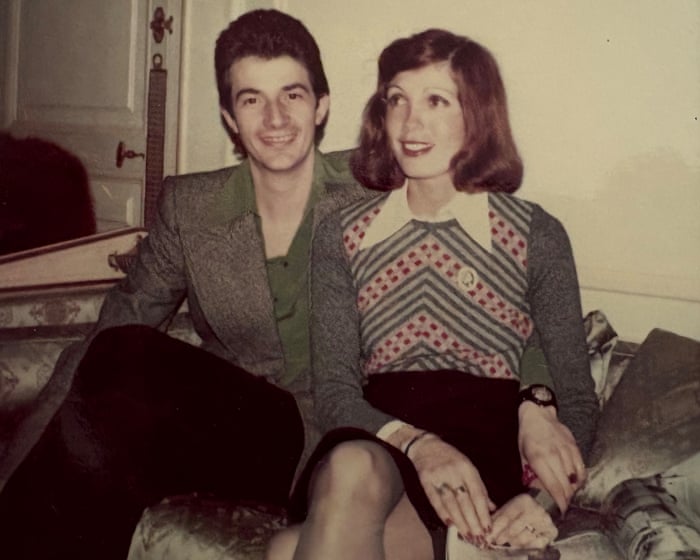
At 21, Smith was stillIt does, sadly, sound a bit outdated and idealistic in today’s bold, profit-driven world. Smith points out that they now have new executives, including a new managing director, who “come from very commercial backgrounds, so the hope for me is finding the right balance. I think I’m probably such an oddball in today’s world that you’ve got to make sure you have a team behind you.”
View image in fullscreen
Paul Smith in his attic office. Photograph: © Paul Smith/Paul Smith Archive
Smith has no plans to retire. “I don’t think Pauline would want me at home,” he says. His latest focus is the Paul Smith Foundation, which shares knowledge and skills—and eventually bursaries—with young designers and entrepreneurs. “All the things I didn’t know at 20 is what I’m trying to help them with.” Not just the exciting parts like design, but practical things like VAT and contracts. He intends to leave all his money to the foundation. “Literally everything,” he says. (Pauline has her own wealth from selling her share in the company and will take care of the family, he adds.) “My wish is to just help future generations.” He is shocked by big fashion brands that hire young designers straight out of college, “draining the ideas from them,” and then let them go within a few years.
Smith wrote his book with these young designers in mind. “I wanted a book that helps people in the creative industry realise that you can do it a different way,” he says. But many of us could use a reminder, based on Smith’s story, of what makes a good life—curiosity, creativity, humour, caring for others, and ambition without greed. In a challenging world, he stays positive, he says, with “humour, a lovely team, not taking myself too seriously.” Plus, working in his shops, talking to customers, and enjoying the art on the walls and the beautiful things he helps create or find. He isn’t so different from the young man who opened his first shop 56 years ago. “I definitely think I’m still a shopkeeper.”
Threads: My Life in Style by Paul Smith is published on 10 September by Macmillan, in hardback, ebook, and audio, read by Bill Nighy. To support the Guardian and the Observer, order your copy at guardianbookshop.com. Do you have an opinion on the issues raised in this article? If you would like to submit a response of up to 300 words by email to be considered for publication in our letters section, please click here.
Frequently Asked Questions
Here is a list of FAQs based on the articles themes written in a natural conversational tone
General Philosophy
1 What does the quote Work hard nobody cares how good you used to be actually mean
It means your past successes dont excuse you from putting in the effort today The fashion world is always looking forward so you have to prove your value with current work not just rely on your reputation
2 Why is Paul Smith a famous designer still working so hard at 80
Because he genuinely loves it For him work isnt a chore its a source of fun creativity and social connection He doesnt see retirement as an option because he gets so much joy and energy from the process of designing and running his business
3 What is the secret to Paul Smiths long and successful career
There isnt one single secret but a combination of intense curiosity a strong work ethic and staying playful He is famously interested in everythingfrom art to car mechanicsand he funnels that endless curiosity into his designs to keep them fresh
4 Is the article a biography or an interview
Its a feature article which means its a longform piece of journalism It combines direct quotes from an interview with Paul Smith along with the writers observations and background information to paint a picture of his life and personality
Career Work Ethic
5 How does Paul Smith stay relevant when fashion trends change so fast
He doesnt chase trends Instead he stays true to his own aesthetic of classicwithatwist He keeps things relevant by constantly looking for new inspiration mixing colors and fabrics in unexpected ways and maintaining a sense of humor in his designs
6 What does nobody cares how good you used to be mean for young designers starting out
It means your degree or past internship doesnt guarantee future success You have to constantly hustle learn new skills and produce great work every season The industry only cares about what youre doing now
7 Does Paul Smith have any advice for dealing with creative blocks
While the article doesnt give a stepbystep guide his example suggests the answer is to step away from the desk He finds inspiration by going for