İşte İngilizce'den Türkçe'ye çevrilmiş metin:
En son 2020'de satıldığında, 2-8A Rutland Gate, 210 milyon sterline satılarak Britanya'nın en pahalı evi olmuştu. Ona "ev" demek pek hakkını vermiyor—"saray" daha doğru bir tanım. Knightsbridge'de, Londra'nın en göz alıcı bölgelerinden birinde, 45 odası, dört asansörü, kapalı havuzu ve 68'i Hyde Park'a bakan 116 penceresi var. Ama kimse bu manzaraların tadını çıkarmıyor. Bu saray yıllardır boş.
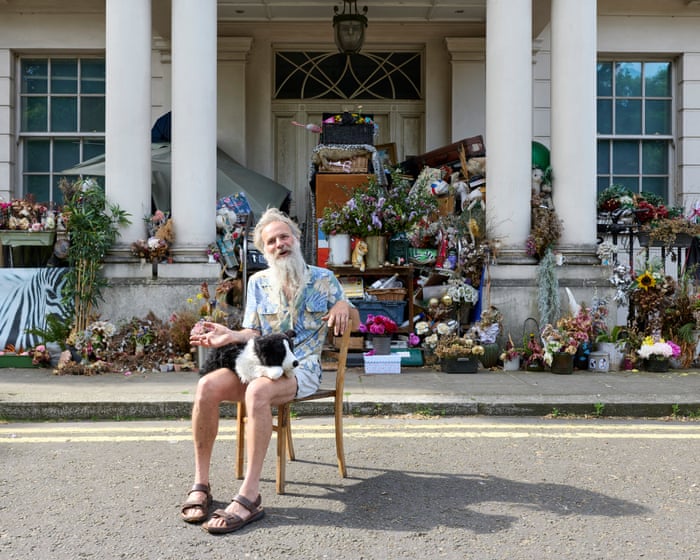
İçeride kimse olmayabilir, ama hemen dışarıda biri var—ve korkarım onu uyandırdım. Verandada, çoğunlukla şemsiyelerden yapılmış geçici bir çadır duruyor. Sakallı bir kafa dışarı çıkıyor, biraz sersem ama arkadaş canlısı. Veranda, korkuluklar boyunca taşan eşyalarla dolu: sepetler, kitaplar, gazeteler, resimler, oyuncak ayılar, oyunlar, birkaç bisiklet ve vazolarda, saksılarda ve kovalarda bir sürü çiçek.
Verandadaki büyük kapının ardında, 24 mermer banyo bir zamanlar yarı değerli taşlarla süslenmişti. Şimdi, üç yıldır bu verandada yaşayan Anders Fernstedt, plastik bir şişeye işemek zorunda kalıyor. "Everest ana kampı sorunları," diyor. "Her seferinde lanet olası çadırdan çıkmamak için yeterince zeki olmalısın." Bana hayatı hakkında daha fazla bilgi vermeye hazırlanması için ona biraz mahremiyet tanıyorum.
Mülk tek bir eve benzemiyor, daha çok bir sıra eve benziyor. Adres de bir sıra ev gibi geliyor. 1980'lerin başına kadar öyleydi, ta ki milyarder Refik Hariri—kısa süre sonra Lübnan başbakanı olacak—onları satın alana kadar. Suudi kraliyet ailesi için saraylar inşa ederek servet kazanan Hariri, Rutland Gate'deki evleri birleştirerek kendi Londra sarayını yarattı. Burada bir kral gibi yaşadı—çöp sepetleri bile 24 ayar altın varakla kaplıydı—ta ki 2005'te Beyrut'ta bir kamyon bombasıyla öldürülene kadar.
Ev, bir offshore cenneti olan Britanya Virjin Adaları'nda kayıtlı bir şirket kullanılarak satın alındı. Eski meslektaşım Rupert Neate, Guardian'ın servet muhabiriyken 2023'te 2-8A Rutland Gate hakkında ayrıntılı bir yazı araştırdı ve yazdı. Binanın ve üzerinde bulunduğu arazinin tarihini, toprak sahibi soyluların bölgeye taşındığı ve Rutland Dükü'nün burada Palladyan tarzı bir konak inşa ettiği 1750'lere kadar derinlemesine inceledi.
Rutland House, 1836'da yıkıldı ve yerini, Londra'nın emlak patlamasının gerçekten başladığı, sorgulanabilir yollarla elde edilen sömürge zenginliğiyle körüklenen bir sıra teras ev aldı. Bu patlama bugüne kadar devam etti, ancak şimdi ciddi para ve gayrimenkul artık İngiliz aristokrasisinde değil, oligarklar, petrol şeyhleri ve teknoloji baronlarından oluşan uluslararası bir jet sosyetede.
Hariri'nin ölümünden sonra, 2-8A Rutland Gate, Suudi Arabistan veliaht prensi Sultan bin Abdülaziz'e verildi. 2011'de öldüğünde, bu ayrıcalıklı dünyanın dışındakiler, onun ve Hariri'nin orada yaşadığı yaşam tarzına bir göz atma fırsatı buldu. 2015'te, evin tüm içeriği—mücevher kaplı banyo takımları ve altın çöpler dahil, ayrıca Murano cam avizeler ve Lalique kristal parfüm şişeleri—açık artırmaya çıkarıldı. O zamandan beri, 2020'deki rekor kıran satıştan sonra bile, 2-8A Rutland Gate boş görünüyor.
Evin Hong Kong merkezli bir milyarder olan Cheung Chung-kiu (arkadaşları arasında CK olarak bilinir) tarafından satın alındığı bildirilse de, Financial Times 2022'de gerçek sahibinin aslında bu arkadaşlardan biri olduğunu bildirdi: Hui Ka Yan, uygun bir şekilde adlandırılmış emlak imparatorluğu Evergrande'nin kurucusu ve o zamanlar Çin'in en zengin adamı. Evergrande, 2021'de borçlarını ödememeye başladı, bu da muhtemelen evin 2022'de indirimli 200 milyon sterline tekrar satışa çıkarılmasının nedenidir. Ev, mevcut yapının altını kazarak daha da büyütme izniyle birlikte geldi. Mevcut iki katlı bodrum, herhangi bir yeni sahibin daha büyük bir havuz ve bir filo lüks araba için yer altı otoparkı inşa etmesine ve ayrıca üst katta üç katlı bir balo salonu tasarlamasına olanak tanıyacaktı.
Bunun gibi mülklerin mülkiyeti her zaman açık veya şeffaf değildir. "Genellikle, bu yatırımlar için vergi cennetlerinde veya gizlilik yargı bölgelerinde bulunan şirketler kullanılır ve bu tür mülkleri anlamayı zorlaştırır," diye yazdı University College London'da araştırmacı olan Jonathan Bourne, Nisan ayında yayınlanan bir makalesinde. Bourne ve meslektaşları, son on yılda İngiltere ve Galler'deki açık deniz konut mülklerinin değerinin 64 milyar sterlinden 80 milyar sterline yükseldiğini buldu. Londra, 47.000 denizaşırı mülk sahibi konut mülküyle merkez konumunda—toplamın %45'i ve değerin %81'i.
Daha yakından bakıldığında, toplam değerin %50'si İngiltere ve Galler'deki 318 yerel yönetimden sadece ikisinde yoğunlaşmıştır: Westminster (%34) ve Kensington ve Chelsea (%16). Rutland Gate, Kensington ve Chelsea sınırına çok yakın olan Westminster'dadır.
Tapu Sicili, evin en son 2020'de, bir offshore cenneti olan Britanya Virjin Adaları'nda kayıtlı Vision Perfect Global Limited adlı bir şirket tarafından satın alındığında el değiştirdiğini gösteriyor. Ev 2022'de piyasaya çıktığında satılmadı. Şeffaflık yasalarındaki değişiklikler, şirketin nihai yararlanıcısının belirlenmesini gerektirdikten sonra, belgelerdeki isim Hui değil, karısı Ding Yumei çıktı. O zamandan beri boşandılar.
Evergrande, 2024'te büyük borçlarla çöktü. Nisan ayında Hui, dolandırıcılık, fonların kötüye kullanılması ve yasadışı kamu mevduatı toplama suçlamalarını kabul etti; cezasını bekliyor. Evergrande'nin tasfiye memurları, 2-8A Rutland Gate'e el koyamaz çünkü mülk eski karısının adına kayıtlı. Kanada vatandaşı olan Ding, varlıkları dondurulduğu için onu satamaz. Evin geleceği belirsizliğini koruyor.
İnsanlar değişmiş olsa da, hikaye tanıdık geliyor—genellikle şüpheli yollarla elde edilmiş gibi görünen servetlerle satın alınan kentsel saraylar. "Suç parası, vergi kaçakçılığı parası ve siyasi olarak maruz kalan kişilerin parasının, şehrin dünyanın zenginleri için bir tür parti merkezi olma çabasına bağlı olması önemli bir fikirdir," diyor Sheffield Üniversitesi'nde kentsel çalışmalar profesörü ve Alpha City: How London Was Captured By the Super-rich kitabının yazarı Rowland Atkinson.
Rutland Dükü'nün zamanında ve ardından Viktorya döneminde, süper zenginler Londra'ya gelirdi çünkü şehir "bir saray ve ticaret yeriydi," diyor Atkinson. "Bu, kendileri gibi diğer insanlara ve kilit güç merkezlerine yürüme mesafesinde ev satın almak isteyen aristokratları getirdi. Bu coğrafya zamanla incelikli bir şekilde değişti. Uluslararasılaşmayla birlikte, kral veya kraliçeye yakın olmaktan çok bir akşam yemeği partisi devresiyle ilgili."
Küresel sahnede, Londra hala önemli. Atkinson bunun "tarihi, yaşanabilirliği ve gerçekten önemli bir sosyal devreyle—siyasi açıdan ve kurumsal ve finansal sermaye sektörleri açısından—bağlantısı nedeniyle olduğunu ve bunun onu az çok eşsiz bir konum haline getirdiğini" söylüyor. "Tabii ki, o kadar paranız varsa, New York, Cenevre, Paris veya herhangi bir yerde başka bir yeriniz olabilir, ama Londra'da olmalısınız."
Açık deniz satın alımlarının çok fazla incelenmesi ve kesinlikle çok fazla vergilendirme, bu alıcıları korkutup kaçıracaktır. Zenginlerin servet yarattığı argümanına göre, bu bir sorun olurdu. Atkinson bu damlama teorisine inanmıyor: "Arkasındaki yöntemlerin tamamen saçma olduğu hakkında yazdım."
Eski günlerde bile, aristokratların bir tür sosyal angajmanı vardı. Artık insanlar çevreleriyle gerçekten etkileşime girmiyor. Şimdi, mülk sahipleri uçakla geliyor, yer altı otoparkına sürülüyor ve doğrudan anonim dairelerine çıkarılıyor; burada lüks hizmetler genellikle yan taraftaki beş yıldızlı otel tarafından sağlanıyor. "Zengin elit kendini izole edebilir—etrafındaki şehir güvenli, şekillendirmesi kolay görünür ve onlara hayatları üzerinde bir kontrol duygusu verir," diyor Atkinson.
Esas olarak Rutland Gate'ten sadece birkaç yüz metre uzaklıktaki lüks bir konut geliştirme projesi olan One Hyde Park gibi yerlerden bahsettiğini kabul ediyor, ancak temel sorunlar aynı. "Bir konut krizinin ve daha geniş bir sosyal krizin ortasında, bunun gibi muhteşem bir evin yıllarca boş durduğunu görmek garip ve yanlış. Bu evler ev olarak kullanılmıyor—onlar varlık, ticareti yapılacak bir portföyün parçası veya yılda sadece birkaç hafta kalınacak geçici bir yer."
Anders Fernstedt'in hikayesi, yaşadığı verandanın bağlı olduğu binanın hikayesi kadar en az ilginç. 1968'de İsveç'te doğan Fernstedt, kütüphaneci olan annesiyle Göteborg yakınlarında büyüdü. Resmi bir eğitimi olmamasına rağmen, iş dünyası yayınları için teknoloji makaleleri yazarak gazeteci olarak çalıştı.
Fernstedt'in annesi, bakımsız bir bahçesi olan bir yazlık ev miras aldığında, ondan yardım istedi ve Fernstedt bahçeler ve bitkilerle ilgilenmeye başladı. 2009'da, Edinburgh Kraliyet Botanik Bahçesi'nde olgun bir öğrenci olarak kaydoldu ve bahçecilik ve bitki uzmanlığı okudu. "Bitki uzmanlığı—çok hoş küçük bir kelime," diyor ve zevkle tekrarlıyor. "Bu yüzden burada sahte bahçem var," diyor, kesme çiçek kaplarını işaret ederek. "Şiddetli yağmur alırsak, devrilebilir, ıslanabilir ve küflenebilirler, bu yüzden onları atarım. Ama aksi takdirde, tohum vermelerine izin vermeyi seviyorum."
Bahçecilik sınavlarında iyi yaptığını ancak kursu bitirmediğini söylüyor. Bunun yerine, Mull of Galloway'deki bir bahçede çalışmaya gitti ve Stair Kontesi Emily Dalrymple ile arkadaş oldu. Ardından ABD'ye gitti ve burada Güney Carolina'da bir araba çarpması sonucu omurgasında üç yerde kırık oluştu. Tamamen iyileşti. Eskiden amatör bir jimnastikçi olduğunu ve masa tenisinde iyi olduğunu söylüyor: "Vurucudan çok döndürücüyüm."
"İşte kral geliyor!" diye aniden duyuruyor. İki polis motosikletçisi—kralın özel koruma memurları, diyor—Kensington Yolu'nda hızla ilerliyor, düdük çalıyor ve insanlara arkalarındaki siyah Range Rover'ın yolundan çekilmeleri için işaret ediyor. Fernstedt, Prens William ile bir zamanlar kraliyet üyesinin The Passage adlı hayır kurumu tarafından işletilen evsizler için bir gündüz merkezine yardım etmeye geldiğinde tanışmış. Fernstedt, Hyde Park'taki Serpentine'deki kuğuları ziyaret etmekten hoşlanıyor ve William'a "kuğularının küçük bir videosunu ve benimle nasıl davrandıklarını" gösterdiğini söylüyor. Fernstedt, William'ın ona kuğulara onun için bakmasını söylediğini söylüyor.
Eski bir gazeteci olan Fernstedt, üç yıldır mülkün verandasında yaşıyor.
Başı yasayla derde girdi. Geçen Haziran ayında, iki kişiyle bir tartışmanın ardından Southwark Kraliyet Mahkemesi'ne çıktı. Anlaşmazlık, kuğularla nasıl etkileşime girdiğiyle ilgiliydi—onlara dokunup okşuyordu. Mahkemede kendini temsil eden Fernstedt, fiili bedensel zarara neden olan saldırıdan suçlu bulundu ve 15 günlük rehabilitasyon faaliyeti şartıyla 15 aylık bir toplum hizmeti cezasına çarptırıldı. Hyde Park'ın yanındaki Kensington Bahçeleri'ne girmesi ve iki yıl boyunca iki kişiyle iletişim kurması yasaklandı.
Hikayesine geri dönelim. 2013'te Fernstedt, San Francisco Körfez Bölgesi'nde yaşıyordu ve New York Times teknoloji yazarı John Markoff ile tanıştı. Daha sonra Markoff'un robotlar hakkında bir kitap araştırmasına ve düzenlemesine yardımcı oldu. "Onun yardımcısıydım ve yoğun dönemde, o ve karısı beni San Francisco'daki evlerinde misafir ettiler; burada netokrasi veya siberati veya her ne derseniz deyin, onlar için akşam yemekleri verirlerdi." Markoff onu Economist'in Silikon Vadisi muhabiriyle tanıştırdı ve muhabir derginin İngiltere'de işe alım yaptığından bahsetti. Böylece Fernstedt Londra'ya taşındı ve Economist'te kısa bir süre yarı zamanlı ve uzaktan serbest gerçek kontrolörü olarak çalıştı. "Bundan büyük keyif aldım, çünkü sahip olduğum hiçbir işte ödev olmamasıydı."
Fernstedt, Essex'te bir haliçte, Markoff'un yardımıyla eBay'den satın aldığı bakımsız 25 fitlik (7,6 metre) bir yelkenlide yaşıyor ve Floransalı bir bankacıdan aldığı bir Vespa ile Londra'ya gidip geliyordu. Economist'teki kısa görevinden sonra, "komisyonu asla gelmeyen bir serbest çalışan" oldu. "Bir basın kartım vardı, bu yüzden muhtemelen birkaç yılımı etkinliklere giderek geçirdim. Son derece iyi bilgilendirilmiştim, bir milyon şeyin nabzını tutuyordum – ama bir masam, bir komisyonum ve dolayısıyla bir gelirim olmadan."
Marinada, bağlama ücretlerini karşılamak için çalıştı ve neredeyse bir yılını tekneleri sudan çıkarmak için kullanılan vinci boyayarak geçirdi. Ardından teknesi bir fırtınada hasar gördü. Hayat istikrarı açısından, Fernstedt de sürüklenmeye başlıyordu. İnsanlar ona karşı dönmeye başladı, diyor. "Topluluğun bir seçeneği vardı: o bizim çocuğumuz mu, yoksa avlanacak bir tilki mi? Ve sanırım avlanacak bir tilki olduğuma karar verdiler."
2019'da Fernstedt, kuzey Londra'da, mezarlığın yanındaki Southgate'deki Walker kriket sahasında bir çadırda yaşıyordu. Birisi, sokakta uyuyan insanları destek hizmetleriyle buluşturan StreetLink'i aradı. Bu, Fernstedt'in hoşlanmadığı geçici konaklama macerasının başlangıcıydı. İlk yeri Tottenham'da bir daireydi. "Cehennemin birçok katmanı vardır, Dante'nin dediği gibi. Cehennemin üst kabuğundan başladım; çok kötü değil."
Ardından ilk kusursuz tahliyesi geldi, bu yüzden Finchley'e taşındı. "Kundaklama oldu – bir dairede tamamen yanma. Asbo ayak bileği kelepçesi olan eski bir hükümlü tarafından saldırıya uğradım, gerçek bir iş." Barıştılar, ancak Fernstedt başka bir kusursuz tahliye daha aldı. Sonunda, Brent Cross'ta bir daireye yerleştirildi, "bir buçuk yıl boyunca yüzünde dövmeler olan bir crack satıcısının rehinesiydim. Yani, kötü bir haber."
Bir konut krizinin ortasında, bunun gibi muhteşem bir evin yıllarca boş durduğunu görmek tuhaf ve sapkın.
Ev sahibi yeri sattı ve Fernstedt üçüncü kusursuz tahliyeyle karşı karşıya kaldı. Taşınırken, crack satıcısı ona sebepsiz yere saldırdı. "Belki sarhoştu, akşamdan kalmaydı, başka şeylerin bir karışımıydı, ama içeri girdi ve ben yatarken bana bir sersemletici yumruk attı – kulak zarımı patlattı." Fernstedt hastanedeyken, tüm eşyaları çalındı; taşınmaya hazır bir şekilde apartman bloğunun koridorundaydılar. Hiçbir şeyi ve gidecek yeri yoktu. Bir sonraki bölüm – sokakta uyumak – başladı. "Bu hala bir sonraki bölüm," diyor gülerek.
İki hikayenin – onun ve 2-8A Rutland Gate'in hikayesi – birleştiği yer de burası. Fernstedt, kuğularla vakit geçirmek için şehrin bu kısmına geliyordu. Karşıdaki bina hakkında hiçbir şey bilmiyordu, ama boş görünüyordu ve barınak sağlayan büyük bir verandası – hatta bir revakı – vardı. İçeri taşındı ve o zamandan beri burada yaşıyor, yavaş yavaş eşya biriktiriyor.
Konuşurken, bir kadın duruyor ve çiçekler ve diğer ıvır zıvır hakkında soruyor: bunların hepsi ne anlama geliyor? "Anlamaya çalışıyoruz. Üç yıldır burada yaşıyorum ve her gün yarın kesin kurtarılacağımı düşünüyorum," diye yanıtlıyor Fernstedt, esrarengiz bir şekilde. "Bu yüzden her gün bir çiçek daha, esas olarak komşularımın çocuklarını mutlu etmek için."
Rus olan kadın yakınlarda yaşıyor ve küçük oğlunu parka götürüyor. Oğlu bizden çok uzakta değil ve gelmek için biraz fazla utangaç veya korkuyor. Fernstedt ile aynı Rus Ortodoks kilisesine gittikleri ortaya çıkıyor, hemen köşede. Fernstedt için bu, Tanrı'dan çok müzikle ilgili: "Covent Garden'a sezonluk bilet sahibi olmak gibi!" Ayrıca, kilise ona yiyecek ve giyecek veriyor.
Rus kadın ve oğlu, Fernstedt'i yer seçiminden dolayı tebrik ederek ayrılıyorlar. Birkaç kapı ötede yaşayan emekli Azerbaycan büyükelçisi gibi birçok komşusunu tanıyor; bazen birlikte yürüyüşe çıkıyorlar. Fernstedt her zaman iyi bağlantılara sahip olmuştur ve evsiz olmak bunu değiştirmedi.
Ev, artık feshedilmiş emlak imparatorluğu Evergrande'nin kurucusu ve dolandırıcılık ve diğer suçlamaları kabul eden Hui Ka Yan'ın eski karısına ait.
Sokaklarda son bulmayı asla beklemediğini söylüyor: "Milyon yılda bir değil. Bu ben değilim." Tipik bir sokak uyuyanı olmadığını biliyor—sağlıklı, diyor, hem fiziksel hem de zihinsel olarak, bağımlılığı yok. Travma fikrini geçiştiriyor: "Travma benim için tüm kanının sokakta akmasıdır. Hastanedeki travma ünitesinin uğraştığı şey budur, duygularım biraz..." Bir el hareketi yaparak "pek iyi değil" anlamına geliyor.
Nasıl hayatta kalacağını öğrendi. Yiyecek, su, tuvalet ve güç için nereye gideceğini biliyor—bir telefonu ve birkaç powerbank'i var. Yerel bir Lübnan restoranı, bunları şarj etmesine ve Wi-Fi kullanmasına izin veriyor; kışın teras ısıtıcıları var. Kimliği yok—İçişleri Bakanlığı'nın pasaportunu kaybettiğini söylüyor—bu da birçok şeyi zorlaştırıyor. Parasız olmaktan daha az rahatsız. "Hiç para, az paradan iyidir. Az paranız varsa, asla yeterli olmaz. Neye sahip olmadığımı bildiğimde, işler yolunda gidiyor."
Sokaklarda uyumak ilk başta korkutucuydu. "Gezgin bir sokak uyuyanıysanız, her zaman bir gözünüzü açık tutmalısınız," diyor. Şimdi tek bir yere yerleştiği için kendini daha güvende hissediyor. Yeterince rahat—bana üzerinde uyuduğu şilteyi ve ayrıca Hyde Park'taki Winter Wonderland fuarında birinin kazandığı ve ona verdiği tüylü bir ahtapot oyuncağı gibi ekstra yumuşak şeyleri gösteriyor. "Bezelye prensesi gibiyim," diyor. Üstünde, kışın onu sıcak tutan ama yazın çok sıcak olmayan bir Macar kaz tüyü yorganı var. Genellikle iyi uyuyor, bazen yüksek sesli bir Lamborghini onu uyandırıyor.
Fernstedt'in çalışan bir bisikleti ve "çoklu organ yetmezliği" olan bozuk bir bisikleti daha var. Üçüncü bir bisiklet çalındı.
2025'te, yalnızca İngiltere'de 300.000'den fazla uzun süreli boş ev vardı, bu bir önceki yıla göre neredeyse %15 artış. Bunun üzerine, yaşanmayan ikinci evlerin sayısı 268.000'in üzerinde. Londra'da boş evlerin sayısı yüksek ve artıyor, bazı bölgeler özellikle kötü durumda. City of London en kötüsü, her dört evden biri ev olarak kullanılmıyor (buna ikinci evler de dahil). Ardından Kensington ve Chelsea, her dokuz evden biri boş ve Westminster'da her on evden biri boş. Aynı zamanda açık deniz mülkiyetinde de ilk sırada, hatırladınız mı? Bu bir tesadüf olmayabilir.
Londra ayrıca en acil konut ihtiyaçlarına sahip; İngiltere'de yaşayacak yer bekleyen 1,34 milyon haneden 340.000'i burada. Başkentte yaşıyorsanız, şöyle düşünebilirsiniz: bir dakika, her zaman yeni binalar inşa ediliyor. "En çok konut inşa eden yerler, bir şekilde en yüksek boşluk oranlarına sahip olmayı başardı," diyor Action on Empty Homes adlı hayır kurumundan Chris Bailey. Ev inşa etmenin mutlaka konut krizini çözmediğine işaret ediyor. "Yanlış türde konut inşa ediyoruz, bu kadar basit. Lüks apartman kuleleri yoksul veya evsiz insanları barındırmaz."
Sözde konut olarak adlandırılan bazı şeylerin aslında öyle olmadığını söylüyor: "Bu, temelde denizaşırı birine satılmış bir Londra parçası. Artık ona sahip olan varlık." Denizaşırı mülk sahibi konut mülklerinden bahsediyor—bunların %45'i Londra'da ve çoğu boş duruyor. Hükümet, herhangi bir gecede Londra'da 1.277 kişinin sokakta uyuduğunu tahmin ediyor. "Boş evler, konut acil durumunun ve konut sistemimizdeki eşitsizliğin gerçekten görünür ve içgüdüsel bir işaretidir," diyor konut yardım kuruluşu Shelter'dan politika başkanı Charlie Trew. "Binlerce boş mülkünüz ve yüz binlerce evsiz haneniz olması kesinlikle ele alınması gereken bir şey."
Nisan 2024'te Shelter, boş evleri sosyal kiralık evlere dönüştürmek için bir plan yayınladı—bunlar, düşük gelirli veya savunmasız durumdaki kişilere uygun fiyatlı konut sağlayan, konseyler veya konut dernekleri tarafından sahip olunan sübvansiyonlu mülkler. Plan, bir konseyin boş bir mülkün satışını zorlamasına izin veren zorunlu satın alma yetkilerinin güçlendirilmesinin yanı sıra evlerin boş bırakılmasını caydırmanın yollarını da içeriyor. (Uzun süreli boş ve ikinci evlerdeki primler, 2023 tarihli Seviye Atlamave Yenilenme Yasası ile getirildi.) Konseylerin, boş evleri yeniden kullanıma kazandırmak için daha fazla fon—ve yeni yetkiler—alması gerekecek. "Evsizliği tamamen sona erdirmesi olası değil," diyor Trew. Yine de doğru türden birçok ev inşa etmeniz gerekiyor. "Ama yapbozun önemli bir parçası."
"Çok yakınım," diyor Fernstedt, parmaklarını aralayarak onu Britanya'nın en pahalı ikinci barınağından ayıran ön kapının kalınlığını gösteriyor (Nisan ayında, Chelsea'deki bir malikanenin, Providence House'un 275 milyon sterline satıldığı bildirilmişti). Başa çıkmak için yaratıcı bir yolu var. "Kendime söylediğim şey, bunun benim sahte gerçekliğim olduğu. Ben bir çocuğum ve ailem evde. Onlara sordum: 'Ağaç evde kamp yapabilir miyim?'" Sert bir ebeveyn sesi takınıyor. "Oğlum, odanda mı yoksa ağaç evde mi uyumak istiyorsun?" Sonra heyecanlı bir çocuk sesine geçiyor. "Ağaç ev