Малката Лук първоначално била възторжена, когато ѝ предложили генитална реконструктивна операция на осемгодишна възраст. Лекарите ѝ казали, че е момче, но имало болест, която не ѝ позволявала да уринира правейки. "Казаха ми, че това е проблем", разказва 60-годишната от Хонг Конг, "и че в бъдеще няма да може да се омъжи или да има деца, затова се нуждае от операция."
След като се сблъсквала с тормоз в училище поради неясния си пол, идеята да бъде "поправена", за да стане нормална, ѝ се сторила много привлекателна. Но нещата не били толкова прости, колкото твърдели лекарите: Лук имала недоразвита матка и влагалище, заедно с незрели мъжки полови органи.
След повече от 20 неуспешни операции за удължаване на уретрата, Лук, тогава на 13 години, отказала всякакво по-нататъшно лечение. Тя си спомня, че се е чувствала изключивно тъжна и самотна по това време и почти два пъти е сложила край на живота си. Сред малкото деца, подложени на подобни операции в същата болница в Хонг Конг през 70-те години, Лук е единствената, която оцелява. По-късно тя разбрала, че повечето от другите са се самоубили.
Едва на 36 години, след като цели години живеела като мъж, тя научила, че има частичен синдром на нечувствителност към андрогени (ПСНА). Това означавало, че въпреки че имала XY хромозоми, типични за мъжете, тялото ѝ не отговаряло напълно на тестостерона и никога нямало да изглежда напълно мъжествено. Когато лекарите я предупредили, че запазването на мъжките ѝ полови органи значително ще увеличи риска от рак, Лук се съгласила да ги премахнат и започнала легално да живее като жена. Сега, освен работата си като лекар по традиционна китайска медицина, тя е страстен защитник на правата на интерсекс хората по целия свят, призовавайки за прекратяване на гениталните операции при деца, преди те да могат да дадат съгласие. "Наистина не искам те да преживеят същите страдания", казва тя.
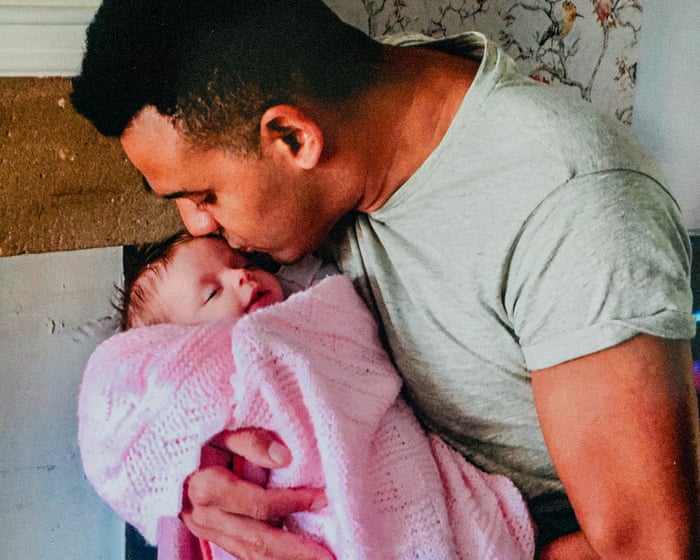
Същата молба е повторена в "Тайната на мен", нов документален филм на британската режисьорка Грейс Хюз-Халет, който проследява Джим Амброуз, роден в Луизиана през 1976 г. Подобно на Лук, Амброуз е роден с полови органи, които, както описва във филма, "излизат извън произволно определената приемлива норма". Лекарите оперирали бебето, премахнали тестисите му и конструирали влагалище. На родителите му съветвали да го отглеждат като момиче и да пазят процедурата в тайна. Казали му, че като тийнейджър ще се нуждае от хормони, а като млад възрастен претърпял допълнителна операция, за да изглеждат гениталиите му по-женствени. Обаче обясненията били оскъдни и едначерез връзка с интерсекс групи той разбрал напълно какво се е случило с него.
Поетата от родителите му посока причинила на Амброуз огромно страдание - той никога не се е чувствал като момиче, докато растя, и било съкрушително да научи, че толкова важни решения за тялото му са взети без негово участие. Като възрастен, ангажиран с интерсекс активизъм, той спрял да приема естроген. Това довело до опасни последици: без тестисите си тялото му не можело да произвежда полови хормони и той развил остеопения, предшественик на остеопорозата. Лекар му казал, че трябва или да възобнови естрогена, или да започне тестостерон, и той избрал второто, не от желание да бъде мъж, а защото бил "доста запален по това да има функциониращ скелет". Тестостеронът му паснал по-добре, затова той приел мъжко име и местоимения и сега живее щастливо като мъж, въпреки че филмът показва, че все още е дълбоко повлиян от преживяванията си.
"Тайната на мен" прави пряка връзка между вредното лечение, което Амброуз претърпява, и работата на психолози. Теориите на Джон Мъни за пола оформили медицинските съвети за деца, родени с атипични полови органи. През 60-те години той изследвал канадските близнаци Брус и Брайън Раймер. След като неуспешно обрязване оставило Брус без пенис, Мъни убедил родителите им да го отглеждат като момиче на име Бренда. Той следял децата, докато растат, представяйки експеримента като пълен успех и твърдейки, че Бренда е щастливо, стереотипно момиче, което според него доказвало, че полът може да се оформи чрез възпитание.
В действителност Бренда била много нещастна, живеейки като момиче, факт, който Мъни пропуснал в докладите си. Като възрастна Бренда преминала към живот като мъж на име Дейвид. И двамата братя били травмирани от изследването на Мъни, което включвало да се разглеждат взаимно половите си органи и да симулират сексуални действия като деца. Трагично и двамата, Брайън и Дейвид, се самоубили, когато били на 30 години. Въпреки че работата на Мъни по-късно била дискредитирана, тя повлияла на лечението на деца с неясни полови органи с години.
В документалния филм "Тайната на мен" Ричард Картър, хирургът, който оперирал Амброуз като бебе, се извинява на бившия си пациент, обяснявайки, че се е основавал на учебници, съдържащи изследванията на Мъни.
Макар и шокираща днес, предложението на Мъни за просто "поправяне" на бебета с нестереотипни полови характеристики било привлекателно тогава и може все още да има известна привлекателност. Много родители търсят ясни полови обозначения от раждането, а операцията за възстановяване на пола при бебета с различия в половото развитие (ДРП) все още е законна в страни като Обединеното кралство и САЩ.
Практиките обчески се подобрили. Анонимен педиатричен лекар от NHS отбелязва, че във Великобритания случаите на ДРП се управляват от специализирани центрове и се преглеждат от комисия, водена от педиатричен ендокринолог. Психолог участва в планирането на лечението и екипът се стреми да избягва операции, освен ако не са медицински необходими, например за предотвратяване на недерене или риск от рак. Операции по косметични причини, за да изглеждат гениталиите по-типично мъжки или женски, не се извършват преди пубертета.
Лекарят добавя, че управлението на ДРП включва и работа с очакванията на родителите, тъй като те често са двигател на решението за операция. Той предупреждава, че пълна забрана на детските операции при ДРП може да бъде вредна, имайки предвид широкия спектър от състояния и лечения, обхванати от термина интерсекс или ДРП. Оценките за интерсекс населението варират значително, от 0,018% до 1,7%, което е сравнимо с броя на хората с червена коса. Ако операцията се счита за необходима, извършването ѝ рано може да означава, че детето няма да знае за процедурата.
Често Задавани Въпроси
Разбира се, ето списък с ЧЗВ относно защитата за ограничаване на операциите на интерсекс деца, формулирани около основния смисъл на "Не искам никой да преживее това, което аз преживях".
Въпроси за Начинаещи
1 Какво означава интерсекс?
Интерсекс е общ термин, използван за хора, родени с полови характеристики, които не се вписват в типичните бинарни представи за мъжки или женски тела.
2 За какви операции става дума?
Това са медицински ненужни операции, извършвани върху кърмачета и малки деца, за да изглеждат гениталиите или репродуктивните им органи по-типично мъжки или женски. Това може да включва намаляване на размера на клитора, изграждане на влагалище или преместване на неслизали тестиси.
3 Защо тези операции се извършват на деца?
Исторически те са правени въз основа на вярването, че е необходимо детето да има тяло с нормален вид и ясна полова идентичност, често за да се намали притеснението на родителите и социалния стигма.
4 Какъв е основният проблем с тези операции?
Операциите често са необратими и могат да причинят трайна загуба на сексуална усещане, белези, безплодие, болка и психологическа травма. Детето няма дума в това живото-променящо решение.
5 Какво искат защитниците вместо това?
Защитниците искат да се отложат тези операции, докато интерсекс човекът стане достатъчно голям, за да разбере възможностите и да даде свое информирано съгласие, обикновено в късната си юношеска възраст.
Въпроси за Напреднали
6 Какво имат предвид защитниците под "това, което аз преживях"?
Те имат предвид доживотните физически и психологически последствия от тези ранни операции, които могат да включват загуба на телесна автономност, чувство на нарушеност и нужда от доживотни медицински грижи за проблеми, причинени от първоначалната операция.
7 Не са ли тези операции медицински необходими?
В по-голямата част от случаите не. Тези операции са свързани с външен вид и социално съответствие, а не с отстраняване на непосредствена здравна заплаха. Истинските медицински спешни случаи, като блокиране, което пречи на уринирането, са изключително редки и не са фокусът на защитата.
8 Как може да се определи пол на бебе, ако не се прави операция?
Просто се отглежда детето като момче или момиче, точно както всяко друго дете. Половата идентичност е дълбоко лично чувство за себе си, което се развива с времето, независимо от анатомията. Операцията не гарантира, че детето ще се идентифицира с определения пол.