For mange europæere af min generation var Cuba mere end blot et land – det var en progressiv sag. Tilbage i vores selektivt idealistiske studietid (min var i midten af 1970'erne) så vi det som en modig lille nation, der havde væltet et korrupt regime forbundet med den amerikanske mafia. Ledet af den karismatiske Fidel Castro og den ikoniske guerillaleder Che Guevara stod en folkelig revolution op mod en lammende amerikansk økonomisk embargo for at forsvare sin uafhængighed. Hasta la victoria siempre! (Altid frem mod sejren!)
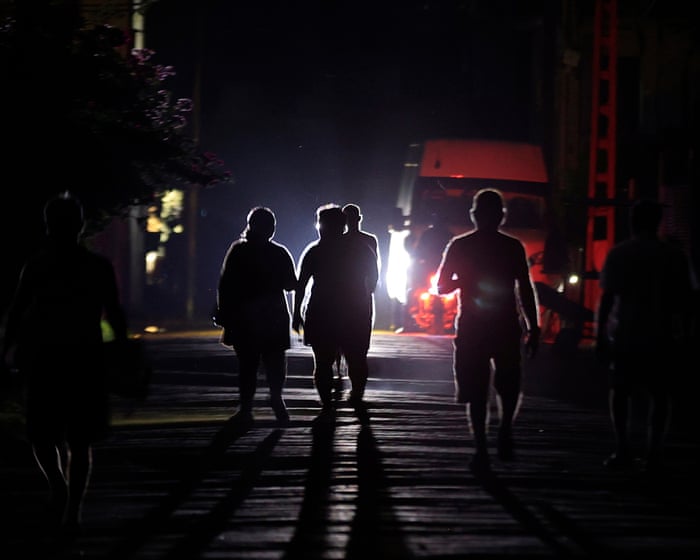
Nu lider cubanerne i desperat fattigdom med lidt eller ingen elektricitet. De udholder en amerikansk blokade af brændstofforsyninger beordret af Donald Trump som en del af en politik med maksimalt pres, der sigter mod enten at vælte øens kommunistiske herskere eller tvinge dem til at åbne op for amerikansk kapitalisme. Den amerikanske beslutning om at rejse tiltale mod Raúl Castro – Fidels 94-årige bror og efterfølger, som forbliver en central magtmægler selv i pension – for mord i forbindelse med nedskydningen af to amerikanske lette fly i 1996 viser, hvor beslutsom Washington er på at eliminere den gamle garde. Fabrikker og transport er gået i stå på grund af mangel på strøm. Hospitaler kæmper for at behandle patienter med knap nok brændstof til at holde nødgeneratorer kørende.
Alligevel protesterer få uden for den yderste venstrefløj i europæisk politik mod denne klart ulovlige kvælning af Cubas økonomi og dets folk. Endnu færre modvirker det amerikanske pres på Havana ved at sende brændstof eller strømgeneratorer. Verden løfter ikke en finger for at beskytte Cuba mod Trumps dødbringende pres eller for at forhindre regimeskifte. Selv indignation er der mangel på.
Dette skyldes delvist, at Cubas traditionelle venner og allierede – Rusland, Venezuela, Mexico og Brasilien – enten er handicappede, distraherede eller har større problemer at håndtere med Washington. Det skyldes også, at cubanernes lidelse i høj grad skyldes deres lands ineffektive herskere, som har gjort lidt for at hjælpe deres eget folk.
Det faktum, at cubanerne hverken nyder frihed eller velstand, handler mindre om den amerikanske embargo og mere om årtiers kommunistisk fejlforvaltning, som knuste økonomisk initiativ og ytringsfrihed i navnet på en laveste-fællesnævner-egalitarisme. "Cuba er i dag alt andet end frit," sagde Herman Portocarero, en tidligere belgisk og EU-ambassadør i Havana, som forhandlede 2016 EU-Cuba-aftalen om politisk dialog og samarbejde. "Dette er en tropisk ø med masser af frugtbar jord, som i mange år har importeret 80% af sin mad."
EU og Brasilien tilbød økonomiske incitamenter og teknisk assistance for at hjælpe Cuba med at skifte fra sukkerrør til fødevareproduktion. "Vi prøvede, og brasilianerne prøvede at gøre noget ved det, men vi mislykkedes. Hver gang løb vi ind i en mur af ideologi, af dogme," sagde Portocarero. Op til en million, for det meste uddannede cubanere, er emigreret i de sidste to år.
Cubas lange række af udenlandske "sukkerfædre" løb ud i januar, da Trumps lynhurtige militære angreb væltede Venezuelas venstreorienterede regering og bortførte præsident Nicolás Maduro og hans kone for at stille dem for retten i USA. Det afsluttede de subsidierede venezuelanske olieleverancer, der holdt Cuba flydende. Med få eksportvarer klarer landet sig med pengeoverførsler fra cubanske eksil, for det meste i USA og Canada. Selv dets ikoniske Havana Club-rom sælges i importerede flasker, fordi høje energiomkostninger gør det uøkonomisk at producere glas i Cuba.
Rusland, som i sovjettiden var Havanas vigtigste beskytter og økonomiske partner, er fastlåst i en uafsluttelig krig i Ukraine. Det så hjælpeløst til, mens dets vigtige mellemøstlige allierede, Syrien under Assad-regimet, blev væltet i en borgerkrig, og dets anden regionale partner, Iran, blev bombet af USA og Israel. Moskva sendte én olieleverance til Cuba i marts, som USA tillod igennem på "humanitære" grunde. Intet andet land – ikke engang venstreorienterede Mexico og Brasilien – har vovet at sende brændstof af frygt for at blive ramt af amerikanske sekundære sanktioner.
Kina, som har venskabelige forbindelser med Havana, har ikke udfordret den amerikanske blokade. Xi Jinping har vigtigere ting at diskutere med Trump. Der er intet tegn på, at Cuba overhovedet blev nævnt under deres topmøde denne måned. Kina ser ikke Cuba som et stort nok marked til at bekymre sig om. Hvad angår Europa, er det mere splittet end nogensinde om Cuba, og det er fokuseret på Ruslands krig i Ukraine og den amerikansk-israelske konflikt med Iran, som har skåret energiforsyninger og sendt brændstofpriserne i vejret.
Inden for EU har Spanien og Frankrig traditionelt været Cubas vigtigste støtter og de højlydteste kritikere af den amerikanske embargo, som har været på plads siden 1962. I årevis kunne man flyve direkte fra Madrid til Havana, men mange flyvninger suspenderes nu, da turismen er kollapset. Og i årevis støttede EU enstemmigt en årlig FN-generalforsamlingsresolution, der opfordrede til en afslutning på embargoen. Men i 2025 stemte Ungarn imod den, og Tjekkiet, Estland, Letland, Litauen, Polen og Rumænien undlod at stemme.
For mange på venstrefløjen, som veteranpolitikerne Jeremy Corbyn og Jean-Luc Mélenchon, handler Cuba-spørgsmålet om anti-imperialisme og suverænitet. Men for højrefløjen handler det om antikommunisme og individuel frihed, især i centraleuropæiske lande, der levede under sovjetisk styre i årtier.
Selv Spanien, hvor en venstreorienteret regering har pralet med at stå op mod USA ved at fordømme krigen mod Iran og nægte at lade sine baser blive brugt til den operation, har været mærkeligt tavs om Trumps pres på sin tidligere koloni. Ganske vist udsendte lederne af Spanien, Mexico og Brasilien en fælles erklæring sidste måned, der fordømte "den forfærdelige situation", som det cubanske folk står over for. De opfordrede til respekt for suverænitet og international lov, men de nævnte ikke eksplicit USA eller olieblokaden, og de lovede kun mere humanitær hjælp, ikke energiforsyninger.
Uanset om Washington tvinger en "aftale" igennem med Cubas nuværende ledere eller strammer sit greb for at forsøge at vælte dem, så forvent ikke, at Europa gør noget for at stoppe det næste kapitel af "Monroe-doktrinen." Europæerne har også større fisk at stege med Trump. De har måske historie med Cuba, men USA har geografi og geopolitik på sin side.
Paul Taylor er senior visiting fellow ved European Policy Centre.
Ofte stillede spørgsmål
Her er en liste over ofte stillede spørgsmål baseret på udsagnet USA ønsker at ændre Cubas regering Men selv Havanas europæiske allierede har forladt det
Spørgsmål på begynderniveau
Q Ønsker USA virkelig at ændre Cubas regering
A Ja I årtier har amerikansk politik sigtet mod at lægge pres på Cubas regering for at blive mere demokratisk og markedsorienteret Dette inkluderer økonomiske sanktioner og diplomatisk isolation
Q Hvad betyder Havanas europæiske allierede
A Det refererer til europæiske lande der historisk har været venlige eller neutrale over for Cuba eller har kritiseret amerikanske sanktioner Udtrykket siger at disse lande nu distancerer sig fra Cuba
Q Hvorfor ville europæiske allierede forlade Cuba
A Hovedsageligt på grund af Cubas dårlige menneskerettighedsrekord mangel på politisk frihed og økonomisk fejlforvaltning Nylige protester og undertrykkelse har gjort det sværere for Europa offentligt at støtte eller forsvare den cubanske regering
Q Forsøger USA at invadere Cuba
A Nej USA planlægger ikke en militær invasion I stedet bruger det økonomisk pres og diplomatisk isolation for at forsøge at tvinge politisk forandring
Q Hvad betyder dette for almindelige cubanere
A Det betyder ofte flere økonomiske vanskeligheder Amerikanske sanktioner begrænser handel og adgang til varer mens tab af europæisk støtte reducerer udenlandske investeringer og bistand Mange cubanere lider under mangel og manglende muligheder
Spørgsmål på mellemniveau
Q Hvilke specifikke handlinger har USA taget for at ændre Cubas regering
A De vigtigste værktøjer er embargoen rejserestriktioner og pres på andre lande for at begrænse forretning med Cuba USA finansierer også prodemokratiske grupper og udsender uafhængige nyheder til Cuba
Q Hvorfor ville Europa forlade Cuba nu når det ikke gjorde det før
A I årevis var Europa uenig i den amerikanske embargo men handlede stadig med Cuba Men efter massive protester i 2021 og en nedkæmpelse af dissidenter begyndte europæiske regeringer at se Cubas regering som uvillig til at reformere De har siden reduceret bistand og fordømt menneskerettighedskrænkelser
Q Virker den amerikanske politik