Finally, one part of our struggling country is getting a huge budget increase—and it’s not the welfare bill, as usual. Or maybe it is? The monarchy’s core funding is set to double to £100 million. Buried in the same announcement is the fact that the Buckingham Palace renovation is currently costing £369 million, but the King and Queen don’t want to live there once it’s finished.
Personally, I really enjoy the cheer the Windsors bring to this nation, whether they mean to or not. But I do wonder: are we encouraging a culture of dependency that isn’t actually good for anyone involved? Does the royal economy need a rebalance, if it’s simply impossible to own a huge private network of land and luxury properties without still needing a top-up from the state? You’ve heard of the poverty trap—won’t someone think of the royalty trap?
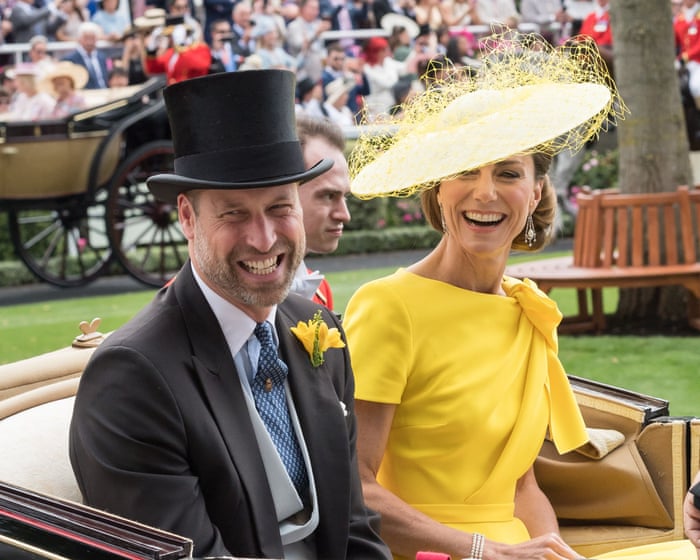
Maybe the Windsors would argue that their sovereign grant counts as “in-work benefits,” given their royal duties. But looking at some numbers shared by MP Norman Baker this week, you have to ask if we’re actually discouraging work with an overly generous safety net. According to Baker’s research, Prince William has done 57 royal engagements so far this year. That doesn’t seem like much for an able-bodied—if mental-health-focused—44-year-old man. Meanwhile, the King, who is 77 and has cancer, has done 76. Princess Anne is leading the pack again with 100. She’d be fine, but William would probably get a tough call from his Jobcentre Plus work coach and be more likely to face a sanction than a doubling of benefits.
I get that in the summer months especially, there’s a flood of migrant royals coming to this country, and they very openly do nothing. It must be frustrating for William to have to get up a couple of mornings a week and trudge over to cut a ribbon, while some foreign prince lies in bed until noon, revs a Bugatti around Mayfair, then wanders back to the hotel to commit a few sexual assaults. I understand. The perception of unfairness matters, and many royals feel it deeply. I remember reading tech author Evgeny Morozov describing a scene his literary agent supposedly witnessed in Jeffrey Epstein’s mansion. The then Prince Andrew and his sex-crime friend were getting foot massages from two Russian girls. Andrew was complaining that other royals had it so much better. “In Monaco,” he reportedly said, “Albert works 12 hours a day, but at 9pm, when he goes out, he does whatever he wants, and nobody cares. But if I do it, I’m in big trouble.”
I know what you’re thinking—wait, when did this waste of space ever work a 12-hour week, let alone a 12-hour day? But put your eye-rolling aside. The politics of envy helps no one. Andrew was big on how important it is to encourage enterprise. In this case, an international sex trafficking enterprise (unknowingly, according to his denial)—but I think we’re supposed to get the point.
As I said, William talks a lot about mental health, so it’s possible he’s one of the 1.3 million and growing working-age adults who can’t work much or at all due to mental health reasons. Yet work brings so many benefits, from dignity to purpose to being able to buy your own things. I worry that William could be ushering in a turbocharged era of intergenerational dependency, where royals don’t really work because they never saw their parents doing it. Then again, it’s entirely possible that William works more than that engagement count suggests, just for himself rather than the nation. Some say he’s prioritized boosting his private finances over public duties. After all, he’s not—how should I put this?—economically inactive, because another revelation this week is that he paid £7.76 million in tax.Last year, after a completely unclear number of deductions, the King paid £12.9 million. Reports say that puts him in the top 100 UK taxpayers.
(Just a side note: seeing how little it actually takes to be in the top 100 taxpayers, when you’re talking about the super-rich, says a lot. Every time I come across a stat like that, I want to personally thank every chancellor—Labour and Conservative—who made Britain’s tax code ridiculously long, over 23,000 pages, the longest in the world. That turned it into a charter for the wealthy to avoid taxes. This was a choice, made by one chancellor after another. Whether they knew what they were doing—you’d hope so, given their job—the result is the same. Plenty of big players find ways around it.)
Anyway, back to the main point. The royal family is treated like a zero-sum game—a brand so valuable to the country that almost any crazy cost increase should be approved because of soft power, tourism, and so on. But I can’t help thinking you could still have that soft power, tourism, and everything else with a much less outrageous funding model. Not to be rude, but how does Charles’s “slimmed down” monarchy now seem to cost twice as much as the bloated one did?
Marina Hyde’s new book, What a Time to Be Alive!, comes out in September (Guardian Faber Publishing, £20). To support the Guardian, order your signed copy at guardianbookshop.com. Delivery charges may apply.
Marina Hyde is a Guardian columnist.
Skip past newsletter promotion
Free newsletter | Weekly
Sign up to Matters of Opinion
Guardian columnists and writers on what they’ve been debating, thinking about, reading, and more
Preview latest
Enter your email
Sign up
After newsletter promotion
Do you have an opinion on the issues raised in this article? If you would like to submit a response of up to 300 words by email to be considered for publication in our letters section, please click here.
Frequently Asked Questions
Here is a list of FAQs about the policy Doubling the Royal Familys Funding
BeginnerLevel Questions
Q What does this policy actually propose
A It proposes to double the annual public funding given to the British Royal Family from roughly 86 million to over 170 million a year
Q Who pays for the Royal Family now
A British taxpayers pay for the Royal Family through the Sovereign Grant which comes from a percentage of the profits of the Crown Estate
Q Why would anyone support doubling their funding
A Supporters argue it secures the monarchys longterm future pays for muchneeded repairs to historic palaces and allows them to better represent the UK internationally They say it protects a key tourism and soft power asset
Q Isnt the Royal Family already incredibly wealthy
A Yes the Royal Family has significant private wealth However the Sovereign Grant is specifically for official duties staff salaries and maintaining royal palacesnot for their personal spending
Q What would the extra money be spent on
A According to supporters the extra funds would primarily go toward a massive backlog of repairs at Buckingham Palace and Windsor Castle upgrading security systems and covering rising energy costs for the historic buildings
Intermediate Advanced Questions
Q Doesnt the Crown Estate already pay more to the government than the Grant costs
A Yes The Crown Estate generates over 300 million in profit annually which goes to the Treasury The Grant is a fixed percentage So the government technically keeps most of the profit Doubling the Grant would reduce the net benefit to the Treasury
Q How does this policy address the fairness argument during a costofliving crisis
A Critics say its tonedeaf to ask the public to pay more for a wealthy institution when many are struggling with bills Supporters counter that the cost per person is tiny and that the monarchy generates far more in tourism revenue than it costs
Q What specific soft power benefits does the monarchy provide that justify the cost
A The monarchy is seen as a unique diplomatic tool Royal visits can open doors for