When Billy Caldwell was a baby, doctors didn’t expect him to survive. He had a severe form of epilepsy that caused daily seizures—brutal, exhausting, and each one could have been fatal. “They couldn’t get the seizures under control,” his mother, Charlotte, remembered. “Billy was sent home to die—we were told he wouldn’t live past his first birthday.”
That prediction was made in 2005. Last month, Billy—who is autistic—celebrated his 21st birthday at home in a quiet, beautiful part of Northern Ireland with family, friends, cake, and a big smile.
Billy is alive and free of seizures, and he’s something of a celebrity: the boy who helped make cannabis-based medicine legal in the UK. In 2018, the Caldwell family reached a political and medical milestone that helped keep Billy alive and opened the door for other patients to use cannabis-based treatments.
“It was something I didn’t even dare to dream about,” Charlotte said this week from the family home in Castlederg, County Tyrone. “It’s beyond words that Billy has reached 21. He’s not just surviving—he’s thriving.”
Billy can now walk and loves trips to the sea, she said. “His balance has become really good; he can go up and down steps for the first time. And he loves the beach, even in winter.”
It’s a happy ending to a story that for many years was full of pain.
Billy survived infancy and made it into boyhood with a mix of drugs, but the disease still raged inside his body, sometimes causing hundreds of seizures a day, said Charlotte. “He was completely worn out. He was fed through a tube. He couldn’t stand up.”
When the drugs stopped working, Charlotte took her son in 2010 to a specialist in Chicago who adjusted and improved his treatment, including changing his diet, which helped control the seizures.
Then in June 2016, when Billy was almost 11, the seizures came back “with a vengeance,” so the family returned to the specialist, who had moved to Los Angeles. After tests, he referred Billy to a medical cannabis expert.
After treatment with cannabidiol (CBD)—a chemical from the cannabis plant that doesn’t get you high—Billy’s symptoms eased.
The Caldwells returned to Northern Ireland in 2017, where a family doctor prescribed more doses until May 2018, when the NHS told them to stop. Under UK law, a prescription for cannabis-based treatment had to be based on clinical trials.
With Billy’s medicine running out, the Caldwells flew to Toronto, Canada, where a pediatric neurologist running clinical trials prescribed CBD for Billy. When the family returned to the UK, customs officials at Heathrow airport took the medicine away.
“That was on the Monday; by Wednesday Billy had his first seizure,” said Charlotte. “On Friday morning he had a long seizure and was rushed to Chelsea children’s hospital in an ambulance. They treated him with their hands tied because Billy’s medicine was in the Home Office vaults, just two and a half miles down the road.”
After public outrage, the Conservative government gave the family a license for cannabis oil to treat Billy. Weeks later, the government accepted evidence that it helped some conditions and announced it would relax the rules on accessing cannabis-derived medicine.
Billy, the symbol of that breakthrough, returned home to Northern Ireland and received treatment on the NHS, which the family is grateful for.
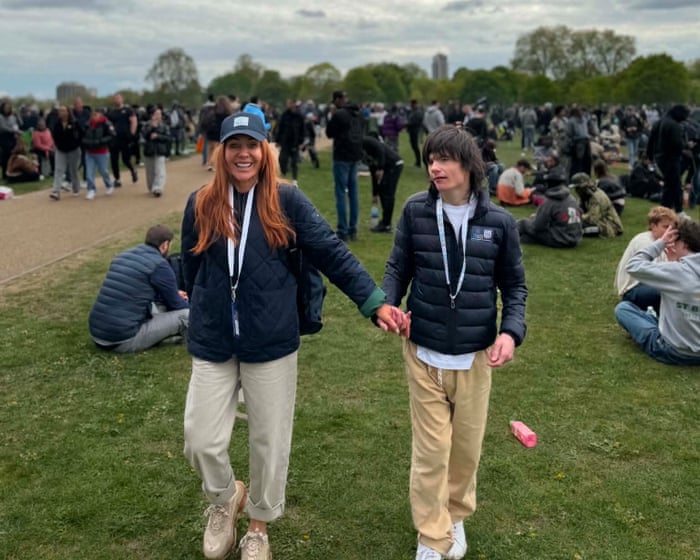
The seizures slowed and then stopped, said Charlotte, except for one week in 2023 during a temporary supply problem. Billy has had no seizures since. “Prescription cannabis has not only given me back my right as a mother to hope, but more importantly, it has given Billy his right back to life,” she said.Charlotte and her son Billy Caldwell at a park in London. Photograph: Charlotte Caldwell
However, NHS prescriptions are heavily restricted, which forces many patients to turn to the private system—one that is both costly and unreliable, according to Charlotte. She has set up an advocacy group called Transparent Responsible Adult-Use Controlled Data (TRACD) to push for change.
Charlotte is still thankful for what she has. “Billy is still here, he’s still alive. That’s what keeps me going. I couldn’t ask for anything more. I’m just happy.”
Frequently Asked Questions
Here is a list of FAQs based on the story of Billy and his family covering the personal story the medical cannabis landscape in the UK and the broader context
Personal Story Background
1 Who is Billy and why is his family celebrating
Billy is a young man who just turned 21 His family is overjoyed because hes reached this milestone while doing exceptionally well healthwise which is something they werent sure would happen given his medical history
2 What medical condition does Billy have
While not specified in the prompt the implication is that Billy has a severe treatmentresistant condition for which traditional medications failed but which responds well to cannabisbased medicine
3 How did Billy help make cannabisbased medicine legal in the UK
Billys case became a highprofile example of a patient who was denied cannabisbased medication on the NHS His family fought publicly and legally for access which contributed to the public pressure and political debate that led to the UK government rescheduling cannabisbased products for medicinal use in 2018
4 Why is turning 21 such a big deal for his family
For many children with severe epilepsy or chronic conditions life expectancy and quality of life can be uncertain Reaching adulthood without major setbacks is a significant and emotional milestone that his family feared they might never see
5 Is Billy completely cured now
No The celebration is about him doing well not being cured Cannabisbased medicine likely manages his symptoms effectively allowing him to live a more normal life but he still has the underlying condition
Medical Cannabis in the UK
6 Is cannabis legal in the UK now
Recreationally no But in November 2018 the law changed to allow specialist doctors to prescribe cannabisbased products for medicinal use It is a controlled drug but legal to possess with a valid prescription
7 Can I get medical cannabis on the NHS
Very rarely It is only prescribed by specialist hospital doctors for a limited number of conditions Most patients like Billy initially have to go through private clinics because NHS funding and prescribing guidelines are extremely strict
8 What is the difference between CBD and THC