След Брекзит много малки и средни предприятия във Великобритания претърпяха сериозни загуби. Някои фалираха, други се пенсионираха рано, а много се бореха да оцелеят. Между 16 000 и 20 000 предприятия напълно спряха да изнасят за ЕС. Тези, които продължиха, казват, че правителството на Борис Джонсън е проектирало твърд Брекзит, който помага на големите компании, а не на малките ежедневни бизнеси.
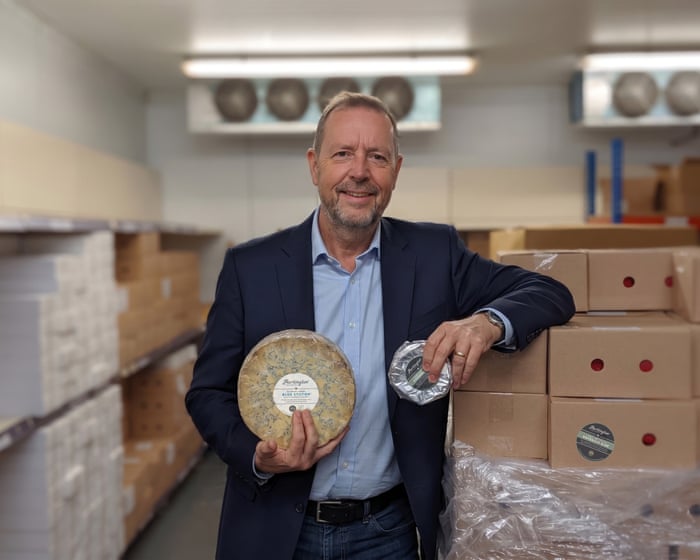
Производителят на сирене от Чешър, Саймън Спаръл, казва, че Брекзит не само е струвал на неговата малка, но бързо растяща компания 250 000 паунда – в крайна сметка му е струвал бизнеса. Още през 2021 г. той нарече Брекзит „най-голямото бедствие“, което някое правителство някога е договаряло. Поглеждайки назад, той не е променил мнението си. „Брекзит е най-голямото самонараняване, което едно правителство си е нанесло в новата история“, казва той.
В началото на 2021 г. Бен Флетчър, който ръководеше Logistics UK и по това време беше в Make UK, описа Брекзит като „петия кръг на ада на Данте“. Пет години по-късно? „Стигнахме още по-надолу, до седмия или осмия кръг на ада на Данте, в най-лошия му вид“, казва той.
Спаръл е добър пример. Той установи, че вече не може да изнася награденото си сирене за ЕС, защото всяка продажба – дори на стойност само 30 паунда – се нуждаеше от здравен сертификат за 180 паунда, доказващ, че отговаря на стандартите на ЕС. Той продаде бизнеса си на по-голяма компания, която можеше да се справи с документите. „Всеки малък бизнес, който продава животински продукти – месо, сирене, млечни продукти, яйца, дори храна за домашни любимци – пострада масово, защото нямаше лукса на голяма организация, която да поеме документите и да има някой, посветен на това“, казва Спаръл.
През ноември той се присъедини към малка компания за занаятчийско сирене стилтън в Дарби, част от Hartington Creamery, където семейството на дъщеря му се грижи за стадо от 300 крави. Той казва, че пазарът е по-труден заради Брекзит за бизнесите, които не са достатъчно големи, за да се справят с бюрокрацията. „Малките производители просто са в капан на този остров и всички се борим един с друг за същия пазарен дял“, казва Спаръл.
Анализ на данни на HMRC от Националния съюз на фермерите по-рано тази година показа, че износът на селскостопански продукти – от говеждо месо до сирене – за ЕС е спаднал с 37,4% за петте години след 2019 г.
Аластър Брукс, който притежаваше ферма за горски плодове в Кент, също спря да търгува. Брекзит го тласна към ранно пенсиониране. „Спряхме бизнеса вероятно заради политиците, които ни дадоха Брекзит, а не заради самия Брекзит“, казва той. Той обвинява „липсата на подготовка от страна на държавната служба и правителството“ и техния провал да „разработят 10-годишна стратегия или визия“ за фермерите след напускането на ЕС.
За фермите един от най-големите проблеми на Брекзит бяха сезонните работници. В продължение на години те наемаха работници от ЕС, предимно от Румъния и България. След като Брекзит сложи край на свободното движение, фермите трябваше да търсят по-далеч. „Те бяха заменени от хора от „станите“: Узбекистан, Киргизстан“, казва Брукс. Преди Брекзит той беше изградил екип от лоялни европейски работници, които идваха за сезона и след това се връщаха у дома.
„Имахме система, проектирана с държави, за които знаехме, че хората ще се върнат. Но след това изведнъж имахме схема за сезонни работници, при която някои пристигаха и веднага щом получат национален осигурителен номер, изчезваха. Те погрешно смятаха, че NI номер им позволява да работят навсякъде“, казва той.
Брукс казва, че недостигът на персонал всъщност никога не се е случвал, но управлението на бизнес, който зависи от правителствените обещания, беше трудно.
**Често задавани въпроси**
Ето списък с често задавани въпроси относно статията „Пълен кошмар: малките бизнеси размишляват за Брекзит 10 години по-късно“
**Въпроси за начинаещи**
1. **За какво е тази статия?**
Статията е за това как собствениците на малък бизнес във Великобритания се чувстват относно въздействието на Брекзит десет години след гласуването. Тя събира техните реални истории и разочарования.
2. **Защо бизнесите го наричат „пълен кошмар“?**
Защото казват, че Брекзит е направил търговията с Европа много по-трудна, по-скъпа и отнемаща повече време. Много от тях се борят да оцелеят.
3. **Какъв е основният проблем за малките бизнеси след Брекзит?**
Най-големият проблем са новите документи и разходи за износ на стоки за ЕС, като митнически декларации и здравни проверки, които не са им били необходими преди.
**Въпроси за напреднали**
4. **За каква конкретна бюрокрация се оплакват бизнесите?**
Неща като попълване на митнически формуляри за всяка отделна пратка, плащане на ДДС предварително, нужда от сертификати за произход и получаване на допълнителни проверки за хранителни или растителни продукти.
5. **Споменава ли статията някакви ползи за малките бизнеси?**
Не. Статията се фокусира почти изцяло върху негативните последици. Повечето собственици на бизнес казаха, че не са видели никакви обещани ползи, като по-малко регулации или нови търговски споразумения.
6. **Как бизнесите действително промениха дейността си заради Брекзит?**
Много от тях напълно спряха да продават в ЕС, наеха допълнителен персонал само за документите, повишиха цените за клиентите или преместиха част от бизнеса си в Ирландия или континентална Европа.
7. **Какво казва статията за Споразумението за търговия и сътрудничество?**
Тя разкрива, че сделката не е решила практическите проблеми за малките фирми. Тя премахна митата върху повечето стоки, но новите митнически проверки и бюрокрация все още създават огромни закъснения и разходи.
8. **Дайте ми конкретен пример от статията за бизнес проблем.**
Един пример е износител на сирене, който сега се нуждае от отделен здравен сертификат за всяка партида сирене, което струва повече от самото сирене. Друг пример е марка за облекло, която загуби 40% от продажбите си в ЕС, защото клиентите трябваше да плащат неочаквани такси за внос.
9. **Какъв практически съвет предлагат собствениците на бизнес на другите?**
Няколко казват: „Не разчитайте на правителството за помощ.“ Те съветват незабавно да наемат митнически брокер или логистичен експерт и да предвидят бюджет за много по-високи разходи за доставка и администрация от преди.