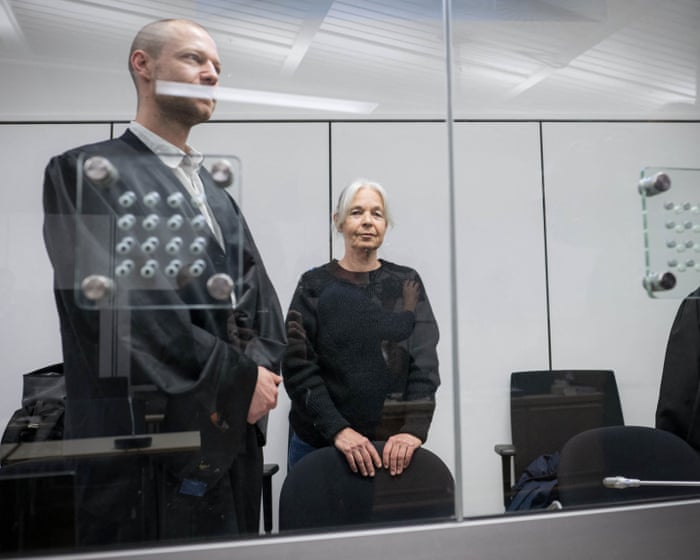
1972년, 독일의 위대한 소설가 하인리히 뵐은 2년 전 붉은 군대 파벌(RAF)이 시작한 폭력 캠페인을 "6명 대 6천만 명"의 전쟁이라고 묘사했습니다. 이 표현에 대해 작가는 심한 비판을 받았으며, 일부는 그가 폭탄 테러범과 살인범에 동조한다고 비난했습니다. 그러나 뵐은 실제로 이 단체가 결국 패배한 핵심 이유를 강조한 것이었습니다. 마지막으로 생존한 것으로 추정되는 구성원 중 한 명인 67세의 다니엘라 클레테는 무장 강도 혐의로 징역 13년을 선고받았습니다.
뵐이 글을 쓰던 당시, RAF의 폭탄 테러, 납치, 총격 사건은 제2차 세계 대전 이후 서독 민주주의에 가장 심각한 위기를 초래했습니다. 수십 명이 사망하고 더 많은 사람들이 부상을 입었으며, 전국에 지명 수배 포스터와 경찰 검문소가 등장했고, 막대한 국가 자원이 대테러 활동에 사용되었습니다. 이 단체는 스포티한 소형 BMW 차량을 선호하여 RAF의 가장 유명한 창립 지도자 안드레아스 바더와 울리케 마인호프의 이름을 따 "바더-마인호프 바겐"이라는 별명이 붙었습니다.
그러나 10년도 채 지나지 않아, 가디언의 서독 특파원은 새로운 "평화와 안정의 분위기"에 대해 보도했습니다. RAF가 국가에 급진적이고 혁명적인 변화를 가져오려는 폭력 캠페인은 끝났다고 전했습니다. 그것은 "큰 굉음보다는 작은 신음 소리와 함께 사라진 테러"였습니다.
이 판단은 다소 이르기는 했지만, 크게 빗나가지 않았습니다. 마인호프는 1976년 감옥에서 스스로 목숨을 끊었고, 바더도 1년 후 같은 방식으로 사망했습니다. 붉은 군대 파벌의 "2세대"는 점점 더 무분별한 공격을 감행했으며, 이는 제국주의와 자본주의에 맞선 세계적 투쟁을 진전시키기보다는 주로 조직원들을 감옥에서 석방하는 데 목표를 두었습니다. 결국 대부분은 동료들과 함께 감옥에 갇혔습니다. "3세대"는 약 10년 더 미온적인 캠페인을 이어갔습니다. 클레테는 그 추정 구성원 중 한 명이었습니다.
유럽과 그 외 지역의 활동가들은 클레테를 세계적 및 지역적 사회 정의를 위한 투쟁의 영웅으로 묘사했습니다. 그녀는 "극좌파에게 일종의 할머니 영웅"이라고 독일 테러 전문가 한스-야코프 쉰들러 박사가 BBC에 말했습니다. 법정에서 클레테는 자신의 재판이 정치적 동기에 의한 것이라 주장하며 "자본주의와 가부장제"에 맞서 싸우는 데 계속 헌신할 것이라고 말했습니다. 방청석의 지지자들은 구호를 외쳤습니다. 다른 이들은 형량이 너무 가혹한지, 아니면 재판이 자칭 좌익 극단주의자 한 명뿐만 아니라 전체 좌익 운동을 비난하려는 의도인지에 대해 논쟁을 벌였습니다.
우파에서는 클레테의 형량이 너무 관대하다고 보았으며, 그녀가 1990년과 1994년의 세 차례 공격(은행 밖에서 실패한 폭탄 테러, 본 주재 미국 대사관 총격 사건, 1993년 교도소 폭탄 테러)에 연루된 혐의로 추가 재판을 앞두고 있음에도 그러했습니다.
법원이 클레테를 RAF 구성원 자격으로 재판할 수 없었던 점(혐의 발생 시점이 너무 오래되었기 때문)과 당국이 어떻게든 그녀가 30년 동안 베를린의 보헤미안 지역에서 방해받지 않고 살도록 허용한 점에 대해 많은 비판이 쏟아졌습니다. 독일 법률이 경찰이 기자가 결국 클레테를 식별하는 데 사용한 안면 인식 기술을 사용하는 것을 금지한다는 사실은 불신을 불러일으켰습니다.
이러한 우려는 1970년대에 제기된 문제들을 반영합니다. 그 시대는 지금처럼 양극화된 시대였습니다. 이해할 수 있는 우려이지만, 이제는 요점을 놓치고 있습니다. 클레테의 유죄 판결은 독일 국가가 RAF와의 성공적인 싸움을 마무리했음을 의미합니다. 반세기 이상이 걸렸을지 모르지만, 테러 네트워크와의 싸움이 어떻게 그리고 반드시 처리되어야 하는지에 대한 중요한 교훈을 제공하기 때문에 살펴볼 가치가 있습니다.
전체 화면으로 보기: 1975년 4월 28일, 붉은 군대 파벌 테러 조직원들이 건물을 점거하고 두 개의 폭탄을 터뜨린 후의 서독 주재 스웨덴 대사관. 사진: Keystone/Getty Images
RAF가 결국 패배한 한 가지 이유는 고위 관리들이 협박에 굴복하면 더 많은 테러 공격을 조장할 뿐이라는 것을 마침내 깨달았기 때문입니다. 인질 상황을 해결하기 위해 새로운 전문 경찰 부대가 훈련되고 장비를 갖추었습니다. 인질 납치와 하이재킹은 잠재적 공격자에게 위험을 높였고, 의사 결정권자에게 중요한 전술적 선택지를 제공했습니다. 또 다른 요인은 위헌적이고 불법적인 탄압 사례가 일부 있었음에도 불구하고, 국가의 대응이 대체로 법의 테두리 안에 머물렀으며, 연속된 정부들이 테러 범죄가 형사 사법 제도를 통해 처리되도록 보장했다는 점입니다.
이러한 접근 방식의 유산은 오늘날에도 여전히 분명합니다. 검찰은 클레테의 혐의 범죄를 정치적 맥락과 신중하고 합리적으로 분리했습니다. 이는 테러법의 부당하고 정치화된 사용이 완전히 역효과를 내는 영국의 팔레스타인 액션 처우와 극명한 대조를 이룹니다.
RAF는 주로 그 폭력성에 대한 대중의 광범위한 혐오감에 의해 패배했습니다. 실망감은 지지자들 사이에서도 빠르고 광범위하게 퍼졌습니다. 1971년 여론 조사에 따르면 서독 국민의 약 5분의 1이 이 단체의 행동을 범죄가 아닌 정치적인 것으로 보았습니다. 1년 후, 마인호프는 안전하다고 생각했던 은신처에 숨어 있다가 배신당했습니다. RAF가 내부 분열을 겪으면서 이탈과 내부 갈등이 증가했습니다.
1980년대에 이르러 이 단체는 시대에 뒤떨어졌습니다. 그 뿌리는 1960년대 후반의 대중 시위 운동에 있었습니다. 구성원들은 행진과 투표만으로는 자신들이 원하는 급진적인 혁명적 변화를 이루기에 충분하지 않다고 판단하고 폭력으로 전환했습니다. 그러나 그들은 틀렸습니다. 그들의 폭탄과 총알은 진보적 대의를 진전시키는 데 아무런 도움이 되지 않았습니다.
서유럽의 다른 지역과 마찬가지로, 시위자들이 제기한 많은 요구는 결국 부분적으로 충족되었습니다. 낙태 및 이혼법이 개혁되거나 통과되었고, 투표 연령이 낮아졌으며, 자금이 고등 교육에 할당되었고, 경직된 위계 질서가 처음으로 의문시되었으며, 음악, 스포츠, 심지어 정치 분야의 젊은 유명 인사들이 새로운 중요성을 얻었습니다.
이러한 요소들이 함께 작용하여 클레테가 급진적 활동에 참여하기 훨씬 전부터, 활동가들은 민주주의 체제를 파괴하는 것이 아니라 그 안에서 변화를 창출하는 방향으로 나아가고 있었습니다. 그들은 이것이 핵 군축을 달성하고, 환경을 보호하며, 특정 공동체의 보다 구체적인 이익을 추구하는 방법이라고 믿었습니다. 여전히 "혁명"을 쫓는 사람들은 대중적 추종이 아닌 풍자의 대상이 되었습니다(1982-84년 방영된
요컨대, 민주주의는 효과를 발휘했습니다. 폭력을 무력화하고, 불만을 해소하며, 활동주의를 보다 생산적이고 덜 분열적이며 덜 해로운 형태로 전환시켰습니다. 클레테가 감옥에 가게 된 강도 사건은 사회 정의를 위한 투쟁이나 제국주의 또는 자본주의에 맞선 싸움과는 아무런 관련이 없었습니다.
6명 대 6천만 명이라는 뵐의 묘사는 과장되었지만 여전히 통찰력이 있었습니다. RAF는 소수의 개인, 즉 급진적 주변부의 가장 극단적인 부분에 불과했습니다. 그들의 행동은 서독과 전 세계의 진보적 대의에 큰 해를 끼쳤습니다. 뵐은 그들의 소위 무장 투쟁을 낭만화하는 것과는 거리가 먼, 그 근본적인 실패를 폭로하고 있었습니다.
제이슨 버크는 <혁명가들: 1970년대를 납치한 극단주의자들의 이야기>의 저자이자 가디언의 국제 안보 특파원입니다.
이 기사에서 제기된 문제에 대한 의견이 있으십니까? 편지 섹션에 게재를 고려하기 위해 이메일로 최대 300단어의 답변을 제출하려면 여기를 클릭하십시오.
자주 묻는 질문
다음은 독일이 붉은 군대 파벌을 어떻게 해체했는지에 대한 FAQ 목록으로, 자연스러운 어조와 명확하고 간결한 답변으로 작성되었습니다.
초급 수준 질문
1 붉은 군대 파벌은 정확히 무엇이었나요?
RAF는 1970년대부터 1990년대까지 서독에서 활동한 극좌 무장 단체였습니다. 이들은 정치인, 기업 지도자, 미군 병사를 대상으로 폭탄 테러, 납치, 암살을 자행했으며, 자신들이 파시스트 국가라고 보는 것을 전복하는 것을 목표로 했습니다.
2 독일은 어떻게 RAF를 결국 저지했나요?
독일은 강력한 경찰 활동, 새로운 법률, 장기 전략의 결합을 통해 RAF를 저지했습니다. 주요 전술에는 대규모 수색, 도청, 잠복 요원 활용, 그리고 체포된 조직원들을 고립시켜 통신망을 차단하기 위한 고보안 교도소 수용 등이 포함되었습니다.
3 단순한 군사적 또는 경찰적 승리였나요?
아니요, 군사적 승리만이 아닌 전략적 승리였습니다. 경찰의 급습과 체포가 중요했지만, 진정한 성공은 단체의 지원 네트워크를 차단하고, 신규 충원을 막으며, 자유롭게 활동하는 것을 불가능하게 만든 데서 나왔습니다.
4 독일 정부는 RAF 때문에 법률을 변경했나요?
네, 독일은 접촉 금지 허용 및 감시 권한 강화를 포함한 여러 논란의 여지가 있는 법률을 통과시켰습니다. 이 법률들은 큰 논쟁을 불러일으켰지만, 단체를 해체하는 데 필요하다고 여겨졌습니다.
5 1977년의 독일의 가을이란 무엇인가요?
독일의 가을은 RAF 폭력의 정점이었습니다. 몇 달 동안 그들은 기업가 한스 마르틴 슐라이어를 납치 및 살해하고, 루프트한자 여객기를 납치했으며, 그들의 지도자들은 감옥에서 자살했습니다. 이는 국가적 위기였고, 정부가 강경 노선을 취하도록 강요했습니다.
중급 수준 질문
6 독일은 어떻게 RAF의 지원 네트워크를 차단했나요?
그들은 방아쇠를 당기지는 않았지만 은신처, 위조 문서, 자금을 제공한 2선 지원자들을 표적으로 삼았습니다. 감시와 증인 보호 프로그램을 통해 정보원을 전향시키고 물류 제공자를 체포하여 활동 중인 테러리스트들의 자원을 고갈시켰습니다.
7 고보안 교도소가 실제로 효과가 있었나요?
네, 특정 방식으로 효과가 있었습니다. RAF 조직원들은 서로 또는 외부 세계와의 접촉 없이 특별 구역에 격리되었습니다. 이는 그들이 감옥에서 공격을 조율하는 것을 막았습니다.
Look at how Germany took down the Red Army Faction. The lessons on fighting terrorism are all right there.