Laut den Vereinten Nationen werden bis zur Mitte des Jahrhunderts 68 % der Weltbevölkerung in Städten leben. Diese rasante, beispiellose Verstädterungsrate zwingt Städte dazu, sich mit einem Zusammentreffen von Krisen auseinanderzusetzen – von fehlendem bezahlbarem Wohnraum bis hin zu Verkehrsstaus, die die Luft verschmutzen und Straßen unsicherer und weniger lebenswert machen.
Die Klimakrise verschärft diese Probleme noch und trifft viele Regionen mit extremen Hitzewellen, starken Regenfällen, Überschwemmungen und anderen extremen Wetterereignissen. Während alle von diesen Veränderungen betroffen sein werden, leiden die vulnerabelsten Gruppen am meisten, wenn Städte sich nicht anpassen.
Viele Städte sind nach wie vor hauptsächlich auf Privatautos ausgelegt und basieren auf der Annahme, dass fast jeder Auto fahren kann und wird. Dabei wird ignoriert, dass für Kinder, viele Frauen, ältere Menschen und Menschen mit Behinderungen das Autofahren oft keine Option ist.
Mehr Autos bedeuten weniger sicheren Raum zum Gehen, Radfahren, Kinderwagen schieben oder für Mobilitätshilfen. Es bedeutet, sich auf lauteren, verstopfteren Straßen zu bewegen, was Stress verursacht und letztendlich zu weniger Vielfalt in der Nutzung der Straßen führt.
Im Gegensatz dazu haben Städte wie Delft in den Niederlanden daran gearbeitet, eine bessere Balance zu schaffen und den Raum fair für Fußgänger, Radfahrer, öffentliche Verkehrsmittel und Autos aufzuteilen. Infolgedessen sind die öffentlichen Räume in Delft lebendig und aktiv, gefüllt mit Menschen, die sich auf soziale und vernetzte Weise bewegen. Nach unserem Umzug hierher aus Kanada stellte unsere Familie fest, dass Kinder freier umherstreifen können, ältere Menschen und Menschen mit Behinderungen Zugang zu ihren Gemeinden haben und Frauen sich sicherer fühlen, wenn sie alleine unterwegs sind.
Angesichts dieser Herausforderungen müssen Städte einen grundlegenden Wandel in der Herangehensweise von Regierungen an Infrastruktur und Politik vollziehen. Doch an den meisten Orten kämpft eine kleine, aber lautstarke Gruppe mit Eigeninteressen hart dafür, ein System zu verteidigen, das für sie funktioniert. Viele lokale Politiker verwechseln diesen lauten Widerstand mit dem Willen der breiteren Gemeinschaft, was zu leeren Versprechungen und Untätigkeit führt.
Einige gewählte Amtsträger haben jedoch gezeigt, dass dieser Widerstand selten die tatsächliche Beliebtheit inklusiverer städtischer Veränderungen widerspiegelt. Oft sind weibliche Führungspersönlichnen an der Spitze dieser Transformation. Gestützt auf ihre eigenen Erfahrungen als Mädchen und Frauen, als Betreuungspersonen und darauf, dass sie jahrzehntelang in der Stadtplanung übersehen wurden, verstehen sie oft am besten, dass das derzeitige System versagt.
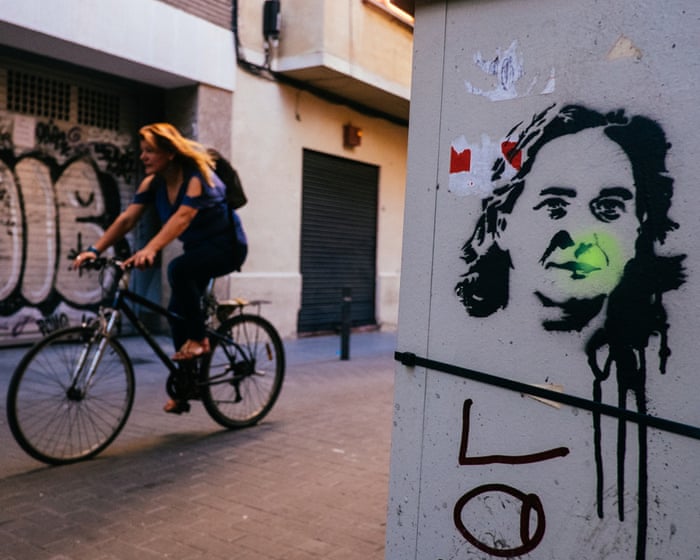
In Barcelona hat die Stadt unter Bürgermeisterin Ada Colau mit innovativen Lösungen wie „Superblocks“ eine Million Quadratmeter Fläche für Fußgänger zurückgewonnen. Diese Maßnahmen verwandeln Asphaltflächen mit einfachen Materialien wie Farbe und Pflanzkübeln in Nachbarschaftsplätze, unterstützt durch politischen Willen. Innerhalb von acht Jahren verdreifachte sie die Länge der Radwege auf 273 km, sodass 90 % der Einwohner innerhalb von 300 Metern an eine Route angebunden sind. Die Ergebnisse sind beeindruckend: Die Stadtverwaltung berichtet von 80 neuen Hektar Grünfläche, einer Halbierung des Autoverkehrs und einem Rückgang der Luftverschmutzung um 20 % zwischen 2019 und 2023.
In Montréal, Kanada, startete die ehemalige Bürgermeisterin Valérie Plante die ehrgeizigste autofreie Initiative in Amerika. Die Stadt investierte 12 Millionen CAD, um jeden Sommer über 9 km entlang von 11 Geschäftsstraßen für Fußgänger zu öffnen, wodurch Platz vor 2.100 lokalen Geschäften geschaffen und deren Umsatz gesteigert wurde. Sie setzte sich auch für das Réseau express vélo (Express-Radnetz) der Stadt ein, das schließlich 17 Routen mit 191 km geschützten, ganzjährigen Radwegen umfassen wird. Diese Veränderungen haben die Fortbewegung und das Stadtleben für die Bewohner Montréals verbessert.
Das „Schwammstraßen“-Programm in Paris schafft durchlässige, absorbierende Oberflächen, um Überschwemmungen zu reduzieren, indem grauer Asphalt durch Grünflächen ersetzt wird.
Die berühmt-berüchtigten verstopften Straßen der Stadt wurden unter der bis letzten Monat amtierenden Bürgermeisterin Anne Hidalgo revitalisiert. Trotz starker Kritik gewann sie letztendlich öffentliche Unterstützung für ihren ehrgeizigen Ausbau der Radinfrastruktur, Fußgängerzonen und des öffentlichen Nahverkehrs. Wichtige Investitionen während ihrer Amtszeit umfassen 1.000 km Radrouten – davon 350 vom Verkehr geschützt – mit zusätzlichen 250 Millionen Euro für den weiteren Ausbau des Netzes. Paris macht auch Fortschritte bei der Einrichtung von 300 Schulstraßen durch die Umwandlung von Bereichen in der Nähe von Schulen in Fußgängerzonen, zusammen mit Begrünungsmaßnahmen, die 70.000 Parkplätze entfernen und 145.000 Bäume sowie 45 km Parks hinzufügen werden.
Diese Erfolge gehen auf wegweisende Führungspersönlichkeiten zurück, die allen dienen wollen, nicht nur den Privilegiertesten oder Lautesten. Die Veränderer teilen gemeinsame Eigenschaften in ihrer Führungsweise: Sie praktizieren radikale Empathie, präsentieren vielschichtige Langzeitvisionen, schätzen Fürsorge im Stadtleben, bauen breite Koalitionen auf und behalten eine starke Kontrolle bei, um Fortschritte zu erhalten. Natürlich sind diese Eigenschaften nicht und können nicht auf ein Geschlecht beschränkt sein.
Dennoch ist eine größere Geschlechterbalance in Führungspositionen unerlässlich. Nur 25 der 300 größten Städte der Welt haben Bürgermeisterinnen. Frauen besetzen lediglich 5 % der kommunalen Führungspositionen und 10 % der Spitzenpositionen in führenden Architektur- und Stadtplanungsunternehmen. Selbst mit den besten Absichten treffen Führungskräfte Entscheidungen basierend auf ihren Lebenserfahrungen. Wenn sie noch nie mit einem kleinen Kind unterwegs waren oder die Angst vor dem nächtlichen Alleingehen gespürt haben, stehen solche Themen möglicherweise nicht im Vordergrund.
Weltweit neigen Städte, in denen Entscheidungsträger die Vielfalt ihrer Gemeinschaften widerspiegeln, eher dazu, öffentliche Räume und Mobilitätsinfrastruktur zu schaffen, die das Leben für alle verbessern.
Melissa Bruntlett und Chris Bruntlett sind Co-Autoren von **Women Changing Cities: Global Stories of Urban Transformation**. Melissa Bruntlett ist Direktorin der Mobilitätsberatung Modacity Creative. Chris Bruntlett ist International Relations Manager bei der Dutch Cycling Embassy.
**Häufig gestellte Fragen**
Natürlich, hier ist eine Liste von FAQs zum in „Von Barcelona bis Paris: Städte blühen auf, wenn Frauen führen. Es geht um das Teilen öffentlichen Raums“ von Melissa und Chris Bruntlett diskutierten Konzept.
**Allgemeine Anfängerfragen**
1. **Was ist die Hauptidee von „Städte blühen auf, wenn Frauen führen“?**
Es ist die Idee, dass, wenn Frauen an der Planung und Gestaltung von Städten beteiligt sind, die daraus resultierenden öffentlichen Räume tendenziell sicherer, zugänglicher und angenehmer für alle sind – Kinder, ältere Menschen und Menschen aller Geschlechter und Fähigkeiten.
2. **Was bedeutet „öffentlichen Raum teilen“ in diesem Zusammenhang?**
Es bedeutet, Straßen, Parks und Plätze so zu gestalten, dass sie gleichermaßen von allen Verkehrsmitteln und allen Arten von Menschen genutzt werden können – nicht nur von Autos dominiert. Dazu gehört, Gehen, Radfahren, öffentliche Verkehrsmittel und soziale Treffpunkte zu priorisieren.
3. **Warum liegt der Fokus speziell auf weiblicher Führung?**
Weil Frauen Städte oft anders erleben. Sie sind häufiger für Betreuungswege verantwortlich, haben größere Sicherheitsbedenken und nutzen öffentliche Verkehrsmittel mehr. Ihre Perspektive hebt Bedürfnisse hervor, die in der traditionellen, männlich dominierten Planung oft übersehen werden.
4. **Können Sie ein einfaches Beispiel für diesen Ansatz nennen?**
Ein klassisches Beispiel ist die Verbreiterung von Gehwegen, das Aufstellen von Bänken mit Rücken- und Armlehnen, verbesserte Beleuchtung und das Anlegen geschützter Radwege. Diese Veränderungen machen eine Straße besser für einen Elternteil mit Kinderwagen, eine ältere Person oder ein Kind – nicht nur für einen Autopendler.
**Vorteile & Beispiele**
5. **Was sind die Hauptvorteile, wenn Städte so gestaltet werden?**
Vorteile sind sicherere Straßen mit weniger Verkehrstoten, reduzierte Luft- und Lärmverschmutzung, stärkere lokale Wirtschaft, da Menschen mehr lokal einkaufen, bessere öffentliche Gesundheit durch aktive Fortbewegung und lebendigere, sozial vernetzte Gemeinschaften.
6. **Was haben Barcelona und Paris getan, wie im Titel erwähnt?**
* Barcelona schuf „Superblocks“, wo der Durchgangsverkehr auf den Umkreis beschränkt wird, um die Innenstraßen für Fußgänger, Spiel und Grünflächen zurückzugewinnen.
* Paris hat unter Bürgermeisterin Anne Hidalgo Radwege massiv ausgebaut, Flussufer für Fußgänger geöffnet und macht die Stadt „15-Minuten“-orientiert, wo tägliche Bedürfnisse innerhalb kurzer Geh- oder Radwege erreichbar sind.
7. **Bedeutet das, alle Autos zu verbieten?**
Nicht unbedingt. Es geht darum, Raum und Priorität neu auszubalancieren.